
Organophilic Clay for Oil Drilling
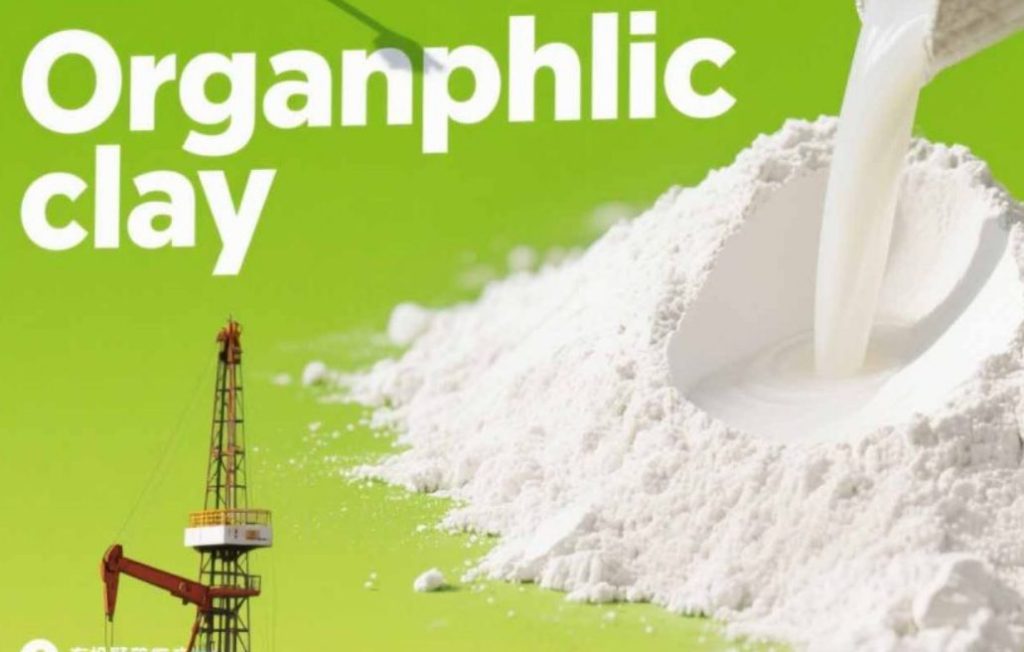
organophilic clay for oil drilling,Our high-temperature resistant organic clay rheological additive is specially modified from calcium-based bentonite for advanced oilfield drilling fluid applications. As a highly effective viscosifier in drilling mud systems, this premium-grade product delivers superior suspension properties, enhanced yield point, and minimized filtrate loss while maintaining ultra-high purity standards.
Specifically engineered for all-oil, diesel-based, and synthetic drilling fluids, this drilling-grade organoclay significantly improves carrying capacity and suspension performance. It provides critical support for weighting material distribution and optimizes cuttings removal efficiency in demanding downhole conditions.
Brand: Camp Shinning
Application: Viscosifying drilling Fluids:
- Oil based drilling fluids
- Invert emulsion fluids
- Workover fluidsl
- Completion fluids
- Casing packs
- Packer fluids

Organophilic Clay Specification
High-Performance Organophilic Clay Viscosifiers for Demanding Drilling Applications
organophilic clay for oil drilling,Engineered for drilling, coring, workover, and completion fluids, our organophilic clay viscosifiers deliver reliable rheological control in both standard and specialty applications—including casing packs, packer fluids, and spotting fluids.
Designed to thrive under extreme downhole conditions, these additives require adequate shear and agitation during dispersion to maximize viscosity development in fresh mud systems.
Dosage Guidelines:
Standard drilling fluids: 2–10 lbm/bbl (5.7–28.5 kg/m³), adjusted for base fluid type (mineral oils typically require higher concentrations vs. diesel oils).
High-stakes applications (e.g., packer fluids, casing packs): 10–15 lbm/bbl (28.5–43 kg/m³) for sustained stability in static or high-pressure environments.
Best Practices:
Avoid premature overtreatment—clay activation reaches full potential only after downhole circulation due to shear/temperature limitations in surface mixing.
Monitor and adjust dosages dynamically to maintain target gel strengths and flow properties.
Why Choose Our Organophilic Clay Solutions?
Precision-engineered: Optimized for diverse base fluids and operational demands.
Proven stability: Maintains performance in HP/HT and high-salinity conditions.
Cost-efficient: Minimizes waste through controlled, responsive dosing.
Organophilic Clay for Oil Drilling
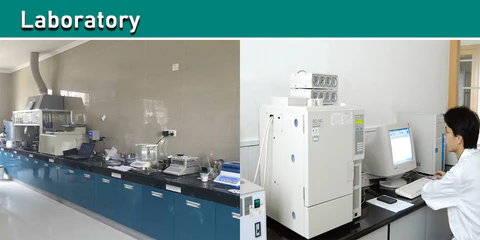
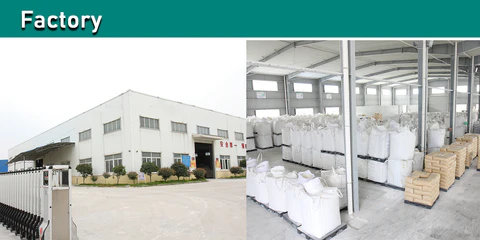


organophilic clay for oil drilling is a wet process improved viscosifier and gelling agent. It is an easy dispersing, rapid yielding organoclay that exhibits high performance efficiency in diesel oil, crude oil, Low BTEX base oil, mineral oil and synthetic containing base fluid formulation. It is stable and has good suspension and thixotropic features. The temperature range is between 180~220 ℃.
Properties
Composition Organically modified bentonite clay
Appearance Off white to tan finely divided powder,
Moisture content (105℃,2hr) ≤5
Particle size (<76μm or 200mesh) ≥98%
Specific Gravity 1.5-1.7
- Disperses easily in less time with less shear
- High performance viscosifier for low aromatic, all mineral oil and synthetic base fluids
- Cost- effectively builds viscosity and yield point
- Aids control of fluid loss to the formation
- Increases emulsion stability
- Suspends weighting materials and other solids
- Confers stability at the pressure and temperature 108Pa and 230℃
- High gelling effectiveness,
- Easy dispersing
- Produce reproducible thixotropic consistency over a wide temperature range
Advantages
Base oil:
- Diesel Oils
- Crude Oils
- Mineral Oils
- Synthetic Oil
- Alpha Olefins
- Low BTEX base oil
Organophilic clay for oil drilling
Packing of Organoclay Bentonite:
The package: Kraft bag or kraft complex interior with PE or customized
Packing size: 25kg/bag,50lb/bag, 600kg/bag or customized.
15MT/20FCL with pallet, 18MT/20FCL without pallet, 25.2MT/40FCL with pallet.
The delivery date is 7 to 10 days after receiving the deposit.
Organophilic clay Store in a dry, well-ventilated area with temperature of 0℃-30℃. Keep container closed. The quality guarantee period is 24 months.
Our Organophilic clay bentonite is used in:
- Marine paint | Organoclay for Paints,
- Industrial paint,
- heavy-duty,
- anticorrosion paint such as bituminous coatings, epoxy paints, chlorinated rubber paints
- Grease
- Inks
- Sealant
- Organophilic clay for oil drilling

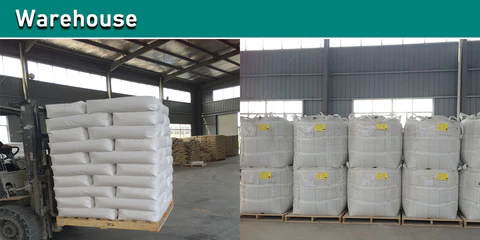


Company Profile
Zhejiang Camp-Shinning New Material Co., Ltd. is a trusted leader in manufacturing organoclay for paints and bentonite rheology additives, backed by advanced production lines and precision testing equipment. Certified under ISO9001, we produce 20,000 tons annually—capturing a quarter of the global organoclay market.
With over 20 years of expertise, our products are exported to Europe, the Americas, the Middle East, and Southeast Asia. Notably, we are a preferred partner in major oil-producing nations like Russia, Kuwait, UAE, Canada, and Mexico, where our organoclays deliver unmatched cost-performance advantages for drilling and industrial applications.
As a top-tier exporter of organophilic clay rheology auxiliaries, we invite you to explore our factory and discuss tailored solutions. Contact us today to experience quality that drives global operations forward.
Organophilic clay for oil drilling is worth your attempt.


Tel (Whatsapp): 0086-13185071071
Email: [email protected]
FAQ
1, How do you ensure product quality?
ISO9001 Certification: As an ISO9001-certified company, Camp-Shinning adheres to strict international standards throughout all operations.
Consistency Guarantee: Lab test samples provided to clients are sourced directly from mass production batches, ensuring product uniformity between samples and final shipments.
Pre-Shipment Verification: Customers may request pre-shipment samples for quality confirmation.
2,Why choose Camp-Shinning over competitors?
Zhejiang Camp-Shinning New Material Co., Ltd. offers unique advantages:
Vertical Integration: Ownership of raw material mines in Northern China guarantees stable performance and supply chain control for our organoclay products.
Two Decades of Expertise: 20+ years specializing in modified bentonite manufacturing and global distribution.
Rapid Turnaround: Industry-leading 7–10 day delivery timeline.
3,What are the applications of Modified Bentonite?
Common uses include:
Organophilic clay for oil drilling, Organoclay for paints, coatings, inks, lubricating grease, and wastewater treatment.
4,Which markets do you serve?
We export to over 15 countries, including:
Europe: Germany, France, Austria, Spain
Americas: USA, Canada
Middle East/Asia: UAE, Pakistan, Russia, Turkey, India, Philippines, Thailand, Vietnam, Indonesia
5,What are your payment and shipping terms?
Shipping Options: FOB, CFR, CIF, EXW
Payment Methods: T/T (telegraphic transfer), L/C (letter of credit), D/P (documents against payment)
6: What is your standard delivery time for Organophilic clay orders?
A: Orders typically ship within 7-10 business days after confirmation. We prioritize fast, reliable logistics to keep your operations on track. Need it sooner? Contact us for expedited options—we’ll fast-track your project!
FAQ: CP-992 Organophilic Clay for High-Performance Drilling Fluids & Oils
Q1: What makes CP-992 stand out from other organoclays?
A: CP-992 delivers rapid dispersion with minimal shear, cutting production time while building viscosity and yield point faster in diesel, crude, and synthetic oils. Its temperature stability up to 230°C/108Pa ensures reliability in extreme drilling conditions, outperforming standard clays | organophilic clay for oil drilling.
Q2: Can organobentonite CP-992 replace traditional viscosifiers in low-BTEX or synthetic oil systems?
A: Absolutely! organophilic clay for oil drilling CP-992 is optimized for eco-friendly low-BTEX oils and synthetic bases (e.g., alpha olefins). It thickens fluids effectively, controls fluid loss, and suspends solids—ideal for compliance-focused operations without sacrificing performance.
Q3: How does organophilic clay for oil drilling CP-992 improve cost efficiency in drilling fluids?
A: With high-yield efficiency, CP-992 reduces additive usage while stabilizing emulsions and preventing sag. This lowers waste and downtime in applications like invert emulsion fluids, casing packs, or spotting fluids.
Q4: Is CP-992 suitable for high-pressure, high-temperature (HPHT) wells?
A: Yes! organophilic clay for oil drilling CP-992 maintains stability under extreme conditions (230°C/108Pa), making it a go-to for HPHT workover, completion, and packer fluids where conventional additives fail.
Q5: What’s the recommended dosage for organobentonite CP-992 in mineral oils?
A: Dosage varies by base fluid, but CP-992’s high efficiency typically requires less product than standard organoclays. Start with small amounts (1%-3% by weight) and adjust based on viscosity targets.
Q6: Does organo clay CP-992 require special handling or storage?
A: Store in a dry, ventilated area (0°C-30°C) and keep bags sealed. Its 24-month shelf life ensures long-term usability. Custom packaging (25kg or 22.68kg bags) is available for bulk orders.
Q7: Can CP-992 suspend weighting materials in offshore drilling?
A: Absolutely. CP-992’s superior suspension prevents barite or other solids from settling, even in challenging environments like marine drilling fluids or packer fluids.
Q8: Is organophilic clay for oil drilling CP-992 safe for environmentally sensitive operations?
A: Yes! Its compatibility with low-BTEX and synthetic oils reduces environmental risks, aligning with stricter regulations for onshore and offshore projects.
Q9: How quickly does organophilic clay for oil drilling CP-992 activate in diesel-based fluids?
A: CP-992 disperses rapidly under standard shear, achieving target viscosity in minutes—no prolonged mixing or heat required. This speeds up fluid prep for time-sensitive jobs.
Q10: Do you offer technical support for integrating organoclay CP-992?
A: While we recommend testing CP-992 in your specific formulation, our team provides guidelines for optimal dispersion and performance. Custom solutions are available for unique challenges.
Q11: Can CP-992 handle sudden pressure spikes in deepwater drilling operations?
A: Yes! CP-992’s pressure stability up to 108Pa ensures consistent viscosity and suspension even during rapid pressure changes, critical for deepwater or unconventional well drilling.
Q12: How does organophilic clay for oil drilling CP-992 perform in synthetic oil-based fluids like alpha olefins?
A: CP-992 is specially formulated for synthetic oils, delivering rapid viscosity buildup and superior emulsion stability. It outperforms traditional clays in high-performance systems requiring low toxicity and environmental compliance.
Q13: Does rheology modifier CP-992 require pre-activation before adding to drilling fluids?
A: No extra steps needed! CP-992 disperses directly into the base fluid under standard shear, saving time and equipment wear. Just mix until homogeneous for optimal results.
Q14: What’s the shelf life of organophilic clay for oil drilling CP-992, and how should expired product be handled?
A: CP-992 has a 24-month shelf life when stored properly (dry, 0°C-30°C). Expired material may lose efficacy—test small batches before full-scale use. Dispose of unused product per local environmental regulations.
Q15: Can CP-992 reduce fluid loss in permeable formations?
A: Absolutely. Its unique platelet structure forms a tight gel barrier, minimizing fluid loss to the formation and protecting wellbore integrity—key for cost-effective reservoir management.
Q16: Is CP-992 compatible with recycled or reused base oils?
A: Yes! CP-992 works well in recycled mineral or synthetic oils, maintaining viscosity and suspension even in reused fluid systems. Test compatibility if contaminants are present.
Q17: Why choose CP-992 over cheaper organoclays for offshore projects?
A: Cheap clays fail under HPHT conditions or shear stress. CP-992’s high-efficiency formula reduces dosage, cuts downtime, and prevents costly failures in critical offshore operations.
Q18: Can I customize packaging for small-scale field trials?
A: Yes! We offer flexible packaging (e.g., 25kg bags or smaller trial sizes) to meet pilot project needs. Contact us for tailored solutions.
Q19: How does CP-992 improve emulsion stability in invert muds?
A: Its activated clay platelets stabilize oil-water interfaces, preventing phase separation and maintaining fluid homogeneity—even in high-salinity or high-temperature environments.
Q20: What certifications does CP-992 hold for eco-sensitive regions?
A: While certifications vary by region, CP-992 is designed to meet low-BTEX and synthetic fluid standards, aligning with global environmental regulations like REACH and OSHA.
We sincerely welcome you to consult our organophilic clay for oil drilling, whether it is applied to your paint, ink, grease or oil field drilling fluid.
Order Online
Please send your message to us
*We will reply your inquiry to this Email as soon as we see it