

What is Organophilic Clay?
What is Organophilic Clay?
Organophilic clay, also known as a rheological additive, is a chemically modified bentonite clay used to enhance the viscosity and flow properties of various formulations.
The modification involves adding quaternary ammonium salts and other organic cations to the clay, transforming its surface from hydrophilic (water-attracting) to organophilic (oil-attracting).
This change makes the originally water-loving clay surface become oil-loving (water-repellent). Organophilic clay is widely used in numerous industrial applications, including improving oil recovery in the petroleum industry, serving as a thickener in cosmetics, and being utilized in paints, coatings, lubricants, and inks.
What is Organophilic Clay?
Pre Gel Grade Organoclay | Coating Additive
Easy Dispersing Grade Organoclay | Coating Additives
Super Dispersing Grade Organoclay | Coating Additives
What is Organophilic Clay?
Preparation of Organophilic Clay:
What is Organophilic Clay?
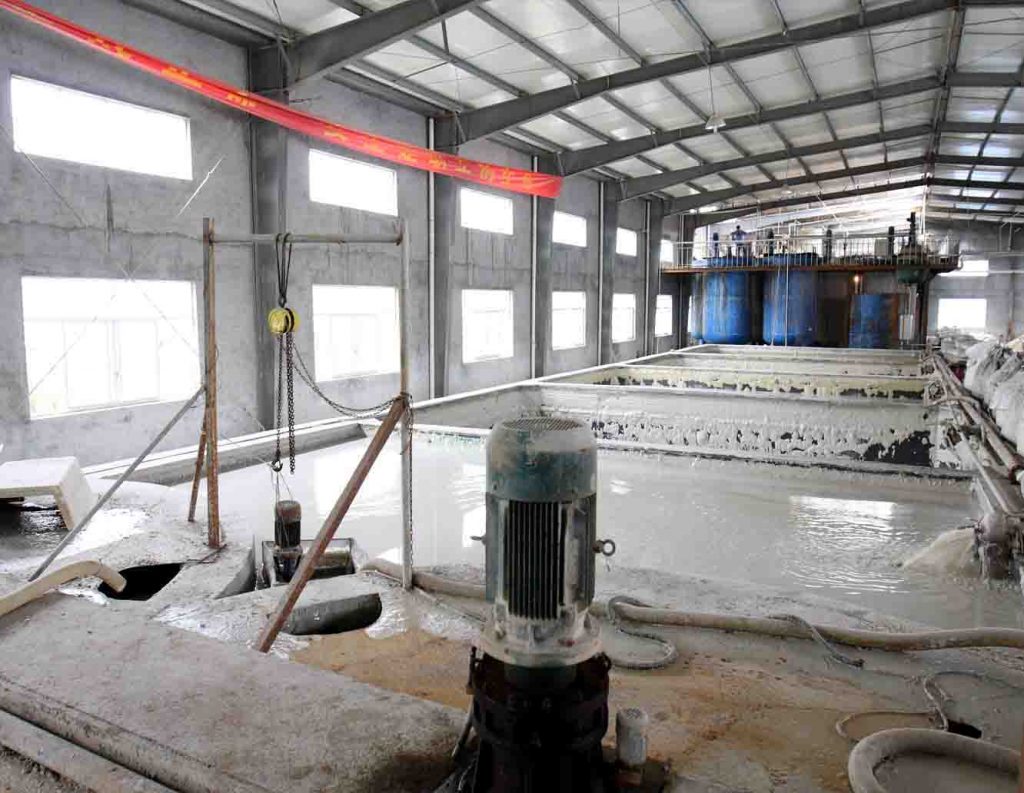
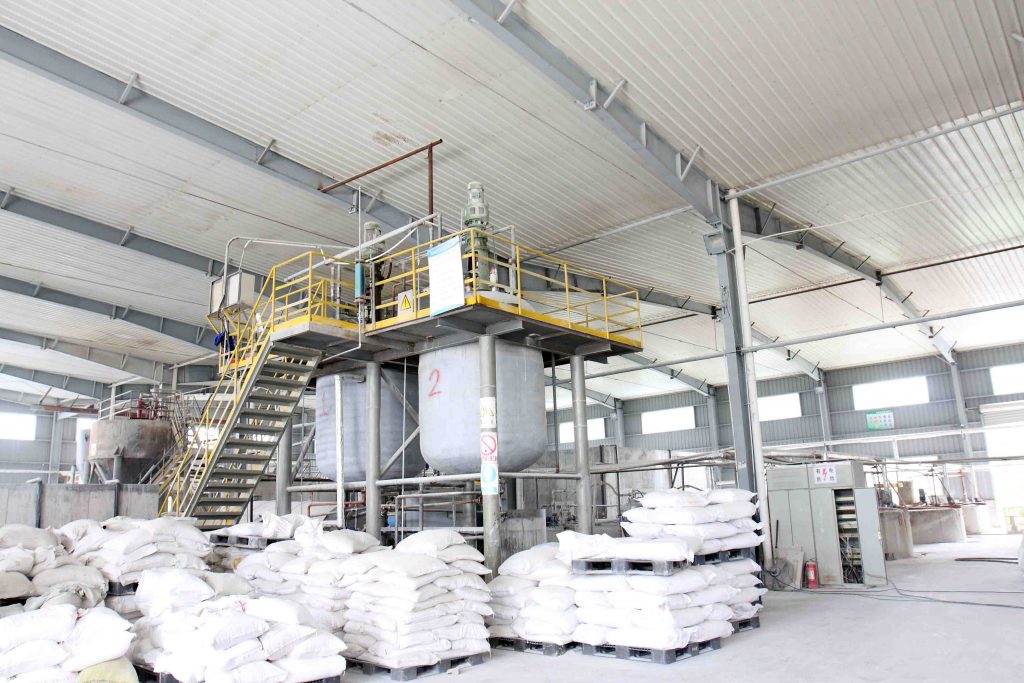
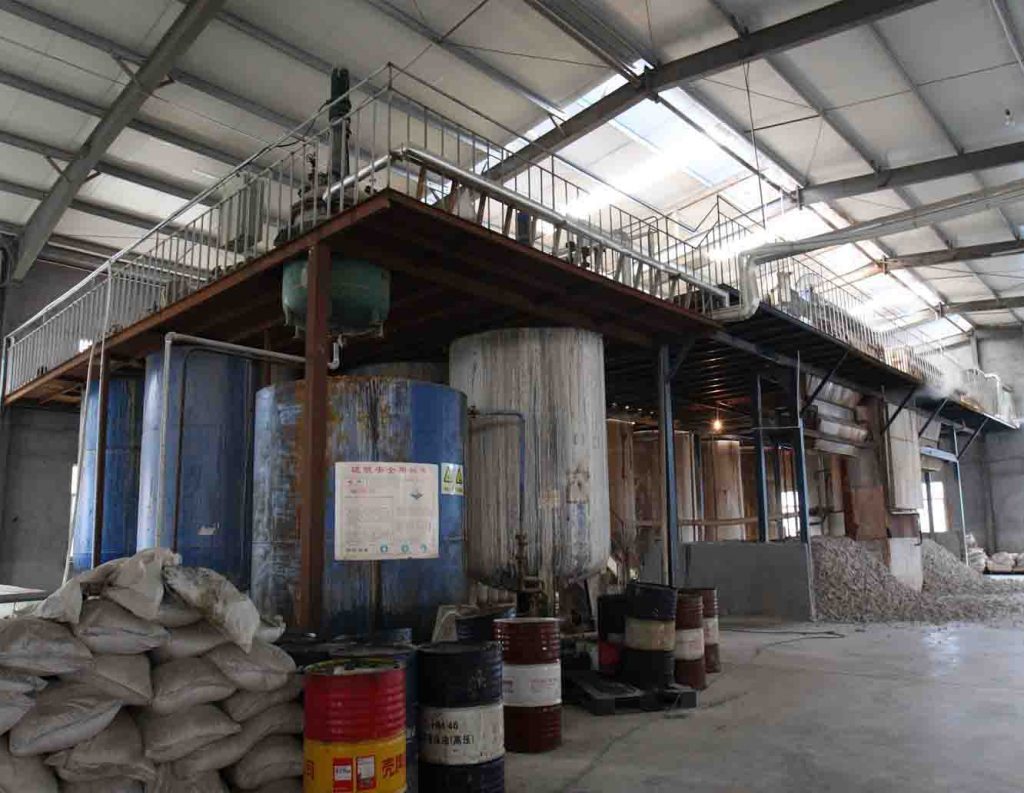
- Selection of Suitable Clay Mineral: The primary raw material is montmorillonite, which is processed with quaternary ammonium salts to replace the natural sodium or calcium cations with organic cations.
- Selection of Appropriate Organic Cations: These organic cations can neutralize the negative charge on the clay surface.
- Attachment of Organic Cations: The organic cations attach to the interlayers and surface of the clay through an ion exchange mechanism, replacing the original cations and transforming the clay’s surface properties from hydrophilic to organophilic.
- Drying and Grinding: The modified clay is dried and thermally treated, then ground into a fine powder. This process imparts excellent hydrophobicity and lipophilicity to the clay, making it effective in suspending organic substances, such as in oilfield drilling fluids.

What is Organophilic Clay?
What is Organophilic Clay?
Advantages of Organophilic Clay:
- Thickening Ability: Organophilic clay has excellent thickening capabilities, effectively increasing and controlling the viscosity and rheological properties of liquids. This makes it widely used as a stabilizer and rheological additive in products like paints, coatings, adhesives, cosmetics, inks, lubricants, and oilfield drilling fluids.
- Improved Rheological Properties: In solvent-based media, organophilic clay exhibits good rheological adjustment, increasing the viscosity and improving the long-term stability of suspensions, making it valuable in paints, inks, and drilling fluids.
- Enhanced Thermal Stability: Organophilic clay typically has good stability under high temperatures and pressures, maintaining its structure and performance in high-temperature environments. This makes some high-temperature organophilic clays suitable for specific high-temperature applications.
- Improved Lubrication: Adding organophilic clay to lubricants and oilfield drilling fluids can improve their lubricating properties, reducing wear and friction, and extending the lifespan of tools such as drill bits.
- Enhanced Adsorption: Organophilic clay has a high specific surface area and pore volume, making it an excellent adsorbent. It is used in environmental pollution control, wastewater treatment, and gas purification to adsorb various organic substances, heavy metals, and radioactive materials, with broad application prospects in areas like dye wastewater treatment and soil remediation.
- Environmentally Friendly, Efficient, and Economical: Organophilic clay is high in mineral content and is an environmentally friendly and economical chemical additive, demonstrating superior performance across different industrial fields.
- Increased Chemical Reaction Activity: Organophilic clay provides a larger surface area and a suitable acidic or basic environment, promoting chemical reactions and ensuring compatibility with various chemical components.
- Excellent Thixotropic Properties: Organophilic clay exhibits outstanding thixotropic properties in oily media, where viscosity decreases under shear stress and gradually recovers once the stress is removed. In oilfield drilling, this behavior improves cuttings suspension and prevents wellbore collapse. Similar thixotropic properties are advantageous in paints, coatings, lubricants, and cosmetics.
- Coating Performance: Adding organophilic clay to paints and coatings improves their uniform distribution and adhesion, making the coatings smoother, more durable, and providing better coverage. What is Organophilic Clay?
It also facilitates easier control during application, preventing sagging. In summary, organophilic clay offers benefits such as coating performance, thixotropic properties, chemical stability, adsorption capabilities, lubrication, thermal stability, and thickening ability, making it widely applicable in various fields.
Order Online
Please send your message to us
*We will reply your inquiry to this Email as soon as we see it