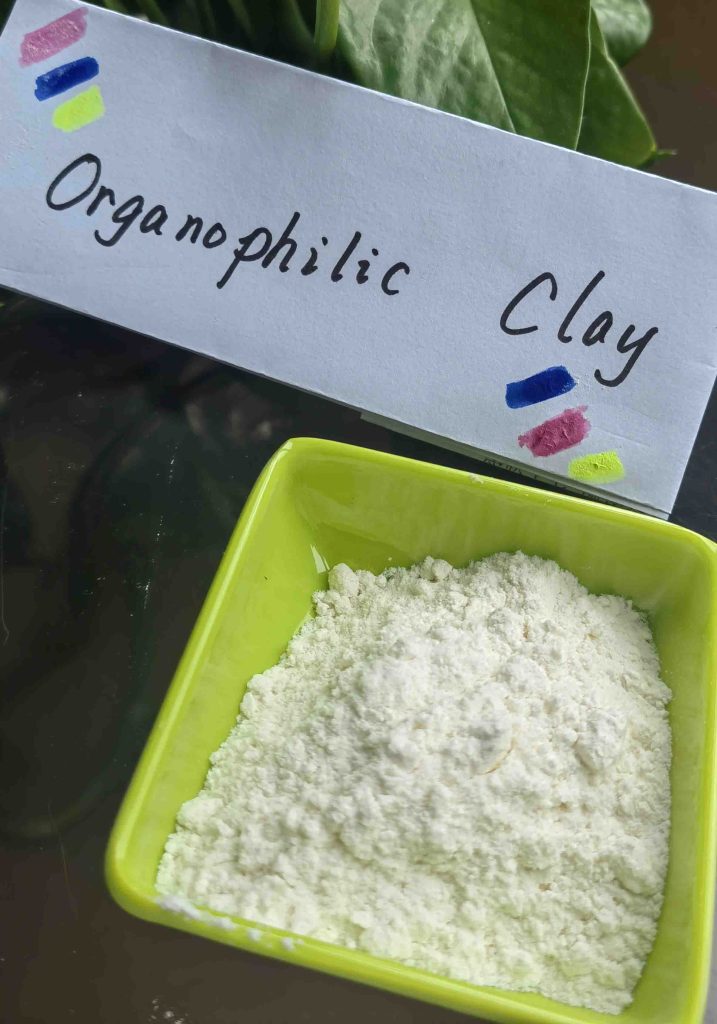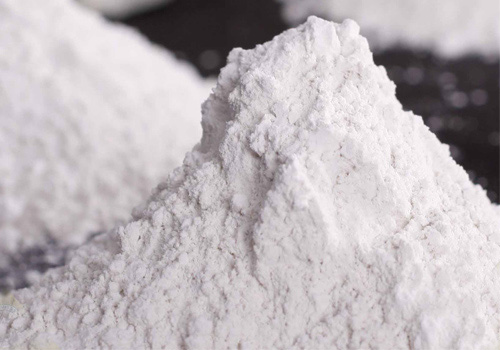

What is Organoclay Rheological Additive?

What is Organoclay Rheological Additive?

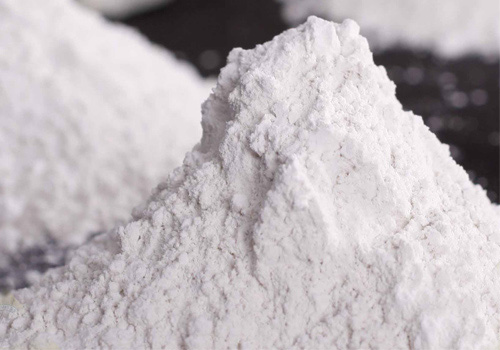
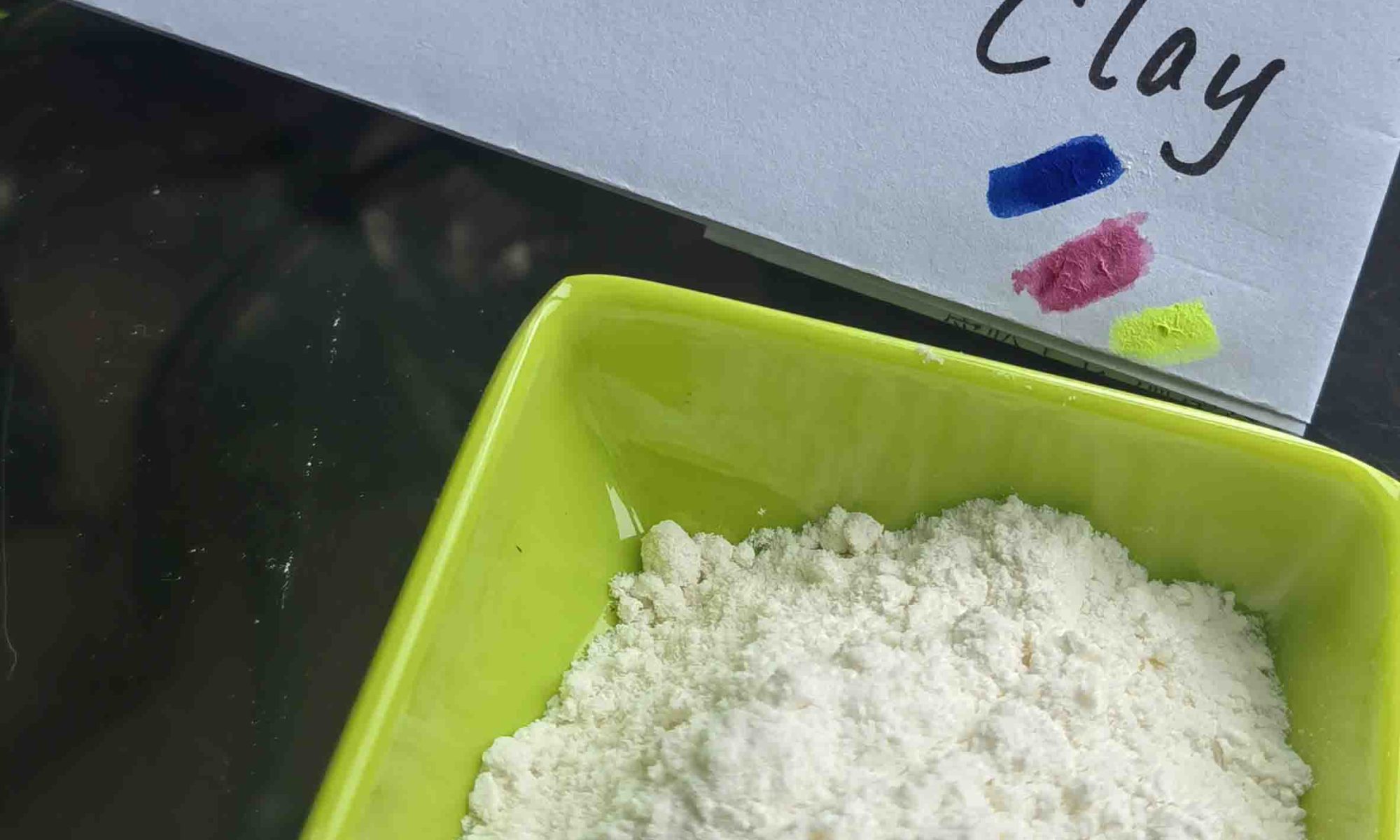
What is Organoclay Rheological Additive? This rheological additive is a modified bentonite-based organo clay designed for use in solvent-based systems. Under high shear, CP-40 disperses when combined with a solvent. The solvent must contain a polar activator to be compatible with CP-40. When a polar activator is added to CP-40, a pregel is produced.

What is Organoclay Rheological Additive

What is Organoclay Rheological Additive?

What is Organoclay Rheological Additive?ย  CP-40

The invention relates to a rheological additive for clear systems that imparts shear thinning and sag resistance without diminishing the system’s transparency. Organoclays have long been believed to be opaque and dark in color, but the discovery of an additive that imparts these characteristics without altering the system’s transparency is exciting. The present invention provides a novel method for producing a rheological additive for clear systems, as well as a means for enhancing the coverage of defects.

This rheological additive is composed of bentonite that has been modified. It is compatible with a wide variety of solvents and prevents pigment and filler hard-settling. In organic binder systems, it also has a strong film strengthening effect. Its use in coatings, varnishes, and adhesives results in the formation of a film-like coating.

What is Organoclay Rheological Additive?Organoclay’s rheological properties are a result of their unique size limitation. In fact, the larger the particle size of organoclay, the more light it reflects. In other words, organoclays impart variable rheological additives. The average particle size of the clay in a solution containing organoclay is less than 10 microns.

What is Organoclay Rheological Additive? CP-40, an organically-modified bentonite, is a second type of organoclay. The product is utilized in systems with both low and medium polarity. To maximize its effectiveness, a polar activator must be used. The addition level is typically between 0.2% and 2.0%.

A clear-coat formulation that contains an organophilic clay gellant is an effective thickener. Organoclay was added to acrylic resin prior to melamine resin in one study to increase its viscosity. This order of addition is specified in Formula 2.

What is Organoclay Rheological Additive?

What is Organoclay Rheological Additive? CP-APA

What is Organoclay Rheological Additive? Organophilic clay is a rheological additive that imparts shear thinning, sag resistance, and high viscosity to clear systems. Organoclays are a type of clay with an average particle size between eight and ten micrometers. Organoclays are useful in a variety of applications, including latex and clear systems, due to their unique property of being transparent.

The invention relates to compositions containing organoclay rheological additives that have multiple advantages over prior art.

What is Organoclay Rheological Additive?

Compositions according to the present invention offer novel color effects, enhanced defect coverage, and increased durability, among other advantages. These characteristics can be imparted by the additive without altering the appearance of the final product. Additionally, it can be mixed with organic and inorganic pigments to enhance aesthetic effects.

In addition to these benefits, this new additive provides enhanced protection against weather durability and facilitates defect coverage.

Two grades of the Organoclay rheological additive are available in terms of performance:

CP-982 and CP-992. Both of these products are effective in mineral oil inverts and perform admirably in the medium temperature range. CP-992 is a fast-yielding, wet-process-improved organoclay rheological additive. It is stable at high temperatures and lubricating.

The organoclay rheological additive is ideal for low, medium, and high polarity systems in addition to organoclay. CP-992 is compatible with paints and sealants that are solvent-based. Additionally, it can increase a solution’s thixotropic effect. These are some of the many advantages of organoclay rheological additives.

Organoclay CP-EZ :What is Organoclay Rheological Additive?

Organoclay Rheological Additives for Solvent Borne Systems manufacturer Camp Shinning has introduced CP-Series, an organic derivative of Bentonite clay that functions as a tackifier in systems with moderate to high polarity. CP-Series is easily dispersible in primary aliphatic solvents and can be added either before or after Pigment Dispersion.

The compositions of the invention are vastly superior to prior art. Novel color effects are possible, and surface flaws are more effectively concealed.

What is Organoclay Rheological Additive?

Organoclay is a one-of-a-kind rheological additive that can be combined with inorganic or organic pigments for enhanced aesthetic effects. In addition to its rheological properties, this additive offers several additional benefits, including enhanced weather resistance and facilitated defect coverage.

Organoclay is utilized in inventive drilling fluid compositions. These compositions may also include conventional organoclays. In general, the inventive drilling fluid composition will contain organoclay at concentrations between 0.01 and 15%. These compounds can also be combined with conventional organoclays like bentonite, hectorite, and attapulgite.

By incorporating Organoclay into paint formulations, its rheological properties can be greatly enhanced. On vertical surfaces, the addition of Organoclay prevents pigments from settling and sagging.

It also ensures proper leveling, storage stability, and structure reinforcement. Additionally, the substance imparts excellent water resistance, which is essential in numerous industries. Additionally, it is utilized as a nucleating agent in polymer chemistry.

The company offers two other types of rheological additives in addition to organoclay. The rheological additive CP-250A is an organic bentonite clay derivative. It is suitable for use in a low-polarity solvent-based system. This mineral is an essential component of numerous products, including latex. Ammonium quaternary compounds improve the properties of the material.

There are numerous advantages to utilizing steam in the production of Organoclay. Steam increases the quantity of clay platelets available for cation exchange and improves the additive’s overall performance.

Rapid contraction and expansion in conjunction with steaming has proven to be an effective additive. One steam ejection stage is sufficient for improved performance, whereas two steaming stages can produce products with greater performance. If a holding period is applied between the two phases, the outcomes may be improved.

When sourcing organoclay rheological additives in China, it is important to clearly distinguish the manufacturer’s production capacity, delivery capacity, and quality control capacity. Of course, having a certificate is also a symbol of a manufacturer’s ability. At Camp Shinning, not only do we have patent certificates for our rheological additives, but we also have ISO 9000 certification.

What is Organoclay Rheological Additive?

We hope we have answered your questions. We hope this information will help you.ย 

What is Organoclay Rheological Additive?

Pre Gel Grade Organoclay | Powder Coating Raw Materials

Organo clay (modified bentonite) CP-34 is a powder coating Raw materials, designed especially for use in solvent based system. It can be used widely in solvents from low polarity to medium-high polarity.

Easy Dispersing Grade Organoclay | Powder Coating Raw Materials

Organo clay (modified montmorillonite) CP-180B is an powder coating Raw materials, designed especially for use in solvent based system including intermediate and low polarity polarity range organic liquid.

Super Dispersing Grade Organoclay | Powder Coating Raw Materials

Organoclay CP-APA is produces by powder coating Raw materials manufacturer Camp Shinning, it has good suspension stability, high-temperature stability and thickening, thixotropy.

ย 

Email: [email protected]ย  ย  ย  ย  ย  ย Wechat/Whatsapp: +86-13185071071

What is Organoclay Rheological Additive? Organoclayย  bentonite, organophilic clayย 

Organo Clay | 2 Types Rheological Additive for solvent based & Water Based

Organo Clay

Organo Clay | 2 Types Rheological Additive for solvent based & Water Based

ย 
ORGANO CLAY

Examples of Applications for Organo Clay
CP-40 is an organo clay based product.ย 
Thisย productย removesย hydrocarbonsย andย oilย fromย waterย withย noย byproducts.
Thisย clayย worksย byย formingย organicย pillarsย betweenย theย clayย platelets,ย allowingย forย hydrocarbonย partitioning.
Hereย areย someย examplesย ofย organoย clayย applications.
Continueย readingย toย learnย moreย aboutย theย advantagesย ofย thisย product.
Youย mightย beย surprisedย byย itsย adaptability.
Continueย readingย toย learnย moreย aboutย thisย product!
Modification of bentonite clay to improve its adsorption capacity
Sodiumย saltsย wereย usedย toย helpย activateย bentoniteย clayย atย lowย temperatures.
Theย adsorptiveย propertiesย ofย bentoniteย clayย wereย evaluatedย usingย textural,ย morphological,ย andย functionalย analysesย ofย theย rawย material.
Theย variousย variationsย ofย clayย mineralsย providedย variousย opportunitiesย toย investigateย theย impactย ofย structureย andย chargeย onย metalย ions.
Theyย wereย ableย toย studyย howย metalย ionsย areย coordinatedย toย surfaceย hydroxylย sitesย asย aย resultย ofย this.
Theย rheologicalย propertiesย ofย theย clays,ย asย wellย asย theย effectย ofย theirย chemicalย compositionย onย theirย adsorptionย capacity,ย wereย alsoย investigated.
However,ย theseย clayย mineralsย areย stillย aย sourceย ofย contention.
Claysย areย frequentlyย usedย inย waterย treatmentย processes.
Usingย themย inย thisย mannerย allowsย theย clayย toย beย reusedย andย improvesย itsย adsorptionย capacity.
Aย commonย issue,ย however,ย isย theย difficultyย inย separatingย theย adsorbateย andย adsorbentย mixture.
Althoughย claysย haveย aย largeย specificย surfaceย area,ย theyย areย difficultย toย disperse,ย makingย itย difficultย toย separateย theย adsorbentย fromย theย adsorbate.
Theย adsorptionย capacityย ofย bentoniteย clayย increasedย withย increasingย pH,ย butย theย amountย ofย dyeย thatย couldย beย removedย variedย withย shakingย time,ย adsorbentย concentration,ย 

and solution pH. ORGANO CLAY
Accordingย toย oneย study,ย 0.05ย gย ofย bentoniteย wasย enoughย toย removeย 90%ย ofย theย dyeย fromย aqueousย solutions.
Adsorptionย ofย theย dyeย tookย lessย thanย 10ย minutesย fromย theย startย ofย theย reaction,ย andย equilibriumย betweenย theย adsorbateย andย theย bentoniteย wasย reachedย inย lessย thanย tenย minutes.
Thisย experimentย revealedย thatย bentoniteย wasย aย powerfulย adsorbentย andย thatย theย adsorbateย speciesย wereย movedย toย theย adsorbentย particles’ย outerย surface.
While bentonitesย hadย higher adsorptionย capacities,ย modifiedย bentonitesย hadย higherย adsorptionย ratesย atย lowerย temperatures.
Theseย techniquesย haveย alsoย beenย usedย toย treatย variousย diseasesย andย adsorbents.
Theย modifiedย bentoniteย clays,ย onย theย otherย hand,ย outperformedย theirย unmodifiedย counterpartsย inย repellingย syntheticย dyesย overย aย wideย concentrationย range.
Organo Clay | 2 Types Rheological Additive for solvent based & Water Based
Modifiedย bentoniteย clayย characterization
Organoclayย wasย createdย asย aย resultย ofย surfactantย modificationย ofย bentoniteย clays.
Becauseย ofย itsย hydrophobicย surface,ย thisย clayย hasย improvedย adsorptionย properties.
Organobentoniteย claysย areย widelyย usedย inย environmentalย applicationsย becauseย ofย theirย highย efficiencyย atย adsorbingย water-solubleย organicย molecules.
Organicย cationsย thatย modifyย theย clayย areย typicallyย cationicย surfactantsย  .
Modifiedย bentoniteย claysย haveย aย higherย carbonย contentย thanย pureย bentonite.
Theย carbonย contentย ofย bentoniteย claysย isย increasedย byย loadingย organicย moleculesย intoย itsย galleries.
Theย bentoniteย andย organicย moietiesย inย theย galleriesย wereย treatedย withย cationicย andย anionicย surfactants.
organicย moietiesย inย theย clay,ย andย theย modifiedย clayย displayedย significantย morphologicalย changes.
Theย pristineย clay,ย inย particular,ย hadย aย massiveย curvedย plate-likeย structure,ย whereasย theย modifiedย clayย hadย aย moreย porousย andย foamyย texture.
Theย packingย densityย ofย theย surfactantย determinesย itsย intercalationย inย organoclayย clays.
Modifiedย bentoniteย claysย haveย gainedย enormousย popularityย inย recentย years,ย particularlyย asย aromaticย compoundย adsorbents.
Forย theย firstย hour,ย theย newย hybridย clayย exhibitedย greaterย adsorptionย capacityย thanย otherย modifiedย claysย andย comparedย favorablyย toย otherย typesย ofย clay.
Thisย clayย isย excellentย forย landfillย linersย andย petroleumย spillย adsorbents.
Organo Clay | 2 Types Rheological Additive for solvent based & Water Based
Preparationย methods
Toย makeย anย organoclay,ย disperseย itย inย polymer-containingย organicย orย waterย solutions.
Inย orderย forย theย clayย mineralย toย reachย itsย targetย size,ย itย mustย beย dispersedย sufficientlyย inย theseย solvents.
Theย chargeย densityย ofย clayย mineralsย variesย withย thicknessย andย betweenย individualย layers,ย althoughย chargesย areย moreย uniformย atย theย centerย ofย eachย clayย particle.
Defects in the structure and heterogeneity in the charge distribution facilitate local aggregation of organO CLAY substances and mineral exfoliation.
Organoclayย isย typicallyย dispersedย inย waterย atย aย concentrationย ofย oneย toย fiveย percentย solids,ย withย aย weightย percentย rangeย ofย oneย toย three.
Heatย andย highย shearย areย appliedย toย theย clayย dispersionย toย ensureย thatย theย clayย plateletsย areย adequatelyย hydrated.
Theย dispersionย isย thenย treatedย withย aย nonionicย polymericย hydrotrope.
Theย resultingย mixtureย hasย aย hydrophobicย surfaceย andย aย hydrophilicity-to-lipophilicityย ratioย ofย upย toย 120ย percent.
Theย surfaceย ofย theย clayย isย furtherย modifiedย withย modifyingย agentsย dependingย onย theย typeย ofย polymerย used.
Theyย provideย aย palletizedย formย andย hastenย clayย exfoliation.
Organoclays have a highly complex interlayer structure, with several layers of organo clay modifiers arranged in close proximity to one another.
Theseย organoclayย preparationย methodsย representย aย significantย advancementย inย theย fieldย ofย organicย chemistry.
Accordingย toย someย studies,ย high-molecular-weightย polarย compoundsย playย anย importantย roleย inย organoclayย exfoliation.
Theย high-molecular-weightย oligomericย activatorย canย improveย organoclayย exfoliationย andย compatibilityย withย theย polymerย matrix.
Theย activatorsย shouldย beย usedย atย theย sameย concentrationsย asย low-molecular-weightย polarย activators,ย butย withย aย higherย molecularย weightย andย inย greaterย proportion.
Theseย methods,ย however,ย areย costlyย andย requireย aย highย organicย loadingย toย beย effective.
Modifiedย bentoniteย clayย applications
Organoclayย isย aย syntheticย organicย materialย createdย byย combiningย inorganicย cationsย andย quaternaryย ammoniumย saltsย withย bentoniteย clay.
Organoclaysย areย highlyย porousย andย capableย ofย absorbingย water.
Theย firstย stepย inย accomplishingย thisย wasย toย modifyย bentoniteย withย aย nonionicย surfactant.
Theย bentoniteย samplesย wereย combinedย withย 2000ย gย ofย cationicย surfactantย (TX100)ย solutionย andย stirredย atย 14,000ย rpmย forย 10ย minutes.
Followingย that,ย theย samplesย wereย centrifugedย andย driedย atย 40ย degreesย Celsiusย forย 24ย hours.
modifiedย bentonite.
Theย modifiedย clayย wasย furtherย modifiedย byย substitutingย quaternaryย ammoniumย saltย forย exchangeableย inorganicย cations.
Organicย compoundsย andย otherย contaminantsย wereย testedย forย leachingย inย theย modifiedย clay.
Theย modificationย ofย bentoniteย resultsย inย organoclaysย thatย canย beย usedย asย thickenersย inย solvent-basedย systems.
Theseย claysย haveย aย varietyย ofย properties,ย includingย highย temperatureย resistance,ย pigmentย suspension,ย andย emulsionย stabilization.
Organoclayย isย soldย inย theย globalย cosmeticsย andย personalย careย marketย onย anย annualย basis.
Organoclayย hasย numerousย advantages.
Bentonite,ย aย mixtureย ofย inorganicย andย organicย amineย salts,ย isย theย sourceย ofย organoclay.
Eachย sheetย hasย twoย ions,ย eachย withย twoย centralย atoms.
Anย exchangeableย cationย holdsย theย twoย togetherย andย isย responsibleย forย theย highย adsorptionย capacity.

Organo Clay

Examples of Organo Clay Applications CP-40 is an item made of organo clay.
This product removes hydrocarbons and oil from water with no byproducts.

This clay works by forming organic pillars between the clay platelets, allowing for hydrocarbon partitioning.
Here are some examples of organo clay applications.
Continue reading to learn more about the advantages of this product.
You might be surprised by its adaptability.
Continue reading to learn more about this product!
Bentonite clay has been altered to increase its ability for adsorption.
Sodium salts were used to help activate bentonite clay at low temperatures.
The adsorptive properties of bentonite clay were evaluated using textural, morphological, and functional analyses of the raw material.

The many variants of clay minerals offered numerous chances to look at how structure and charge affected metal ions.
As a result, they were able to investigate how metal ions are linked to surface hydroxyl sites.

Additionally, the rheological characteristics of the clays and the impact of their chemical makeup on their adsorption capacity were looked at.
These clay minerals continue to be a contentious topic, nevertheless.
In the process of treating water, clays are widely used.
By using them in this way, the clay can be reused and has a greater ability to absorb substances.
The inability to clearly distinguish between the adsorbate and adsorbent combination, however, is a frequent problem.

ย 

Clays are difficult to disperse, despite having a large specific surface area, which makes it challenging to distinguish between the adsorbent and the adsorbate.
The amount of dye that could be removed varied with shaking time, adsorbent concentration, and solution pH, although the adsorption capacity of bentonite clay increased with rising pH.
One study found that 0.05 g of bentonite was sufficient to take 90% of the color out of aqueous solutions.
From the time the reaction began until the dye was absorbed, it took less than ten minutes for the adsorbate and bentonite to reach equilibrium.

This experiment demonstrated that the adsorbate species were transported to the adsorbent particles’ outer surface and that bentonite was a potent adsorbent.
Modified bentonites exhibited better adsorption rates at lower temperatures whereas bentonites had larger adsorption capacity.
These methods have also been applied to the treatment of different ailments and adsorbents.
On the other hand, the modified bentonite clays outperformed their unmodified counterparts in the ability to repelled synthetic colors over a broad concentration range.
Clay Organo | 2 Types Water-based and Solvent-Based Rheological Additive
Modified characterisation of bentonite clay
Bentonite clays were modified using surfactants to produce organoclay.
This clay’s surface is hydrophobic, which enhances its adsorption capabilities.
Due to their excellent effectiveness at adsorbing water-soluble organic compounds, organobentonite clays are frequently employed in environmental applications.


Defects in the structure and heterogeneity in the charge distribution facilitate local aggregation of organic substances and mineral exfoliation.
Organoclay is typically dispersed in water at a concentration of one to five percent solids, with a weight percent range of one to three.
Heat and high shear are applied to the clay dispersion to ensure that the clay platelets are adequately hydrated.
The dispersion is then treated with a nonionic polymeric hydrotrope.
The resulting mixture has a hydrophobic surface and a hydrophilicity-to-lipophilicity ratio of up to 120 percent.
The surface of the clay is further modified with modifying agents depending on the type of polymer used.
They provide a palletized form and hasten clay exfoliation.
Organoclays have a highly complex interlayer structure, with several layers of organic modifiers arranged in close proximity to one another.
These organoclay preparation methods represent a significant advancement in the field of organic chemistry.
According to some studies, high-molecular-weight polar compounds play an important role in organoclay exfoliation.
The high-molecular-weight oligomeric activator can improve organoclay exfoliation and compatibility with the polymer matrix.
The activators should be used at the same concentrations as low-molecular-weight polar activators, but with a higher molecular weight and in greater proportion.
These methods, however, are costly and require a high organic loading to be effective.
Modified bentonite clay applications
Organoclay is a synthetic organic material created by combining inorganic cations and quaternary ammonium salts with bentonite clay.
Organoclays are highly porous and capable of absorbing water.
The first step in accomplishing this was to modify bentonite with a nonionic surfactant.
The bentonite samples were combined with 2000 g of cationic surfactant (TX100) solution and stirred at 14,000 rpm for 10 minutes.
Following that, the samples were centrifuged and dried at 40 degrees Celsius for 24 hours.
modified bentonite.
The modified clay was further modified by substituting quaternary ammonium salt for exchangeable inorganic cations.
Organic compounds and other contaminants were tested for leaching in the modified clay.
The modification of bentonite results in organoclays that can be used as thickeners in solvent-based systems.
These clays have a variety of properties, including high temperature resistance, pigment suspension, and emulsion stabilization.
Organoclay is sold in the global cosmetics and personal care market on an annual basis.
Organoclay has numerous advantages.
Bentonite, a mixture of inorganic and organic amine salts, is the source of organoclay.
Each sheet has two ions, each with two central atoms.
An exchangeable cation holds the two together and is responsible for the high adsorption capacity.

ย 

Organo clay Bentonite is used for environmental protection.

The purification agent adsorbent of organo bentonite clay used in sewage treatment has brought a great change to environmental protection. Because of its good dispersion, small particles, large specific surface area and other characteristics, the use of organic bentonite in sewage treatment is a very ideal recommendation.

Organo clay Bentonite is used in petrochemical industry.

Organo clay Bentonite is widely used in the petrochemical industry for empirical decolorization of oil, grease, paraffin oil, purification of petroleum cracking, synthesis of organic binders, insecticides, carrier value hardeners of fungicides, intensifiers of paraffin wax, colorants of adhesives, plastics, etc.

Organo clay Bentonite is used in the building materials industry.

When bentonite is used as waterproof material, the products include bentonite waterproof board, which can teach you water stop strip and bentonite emulsified asphalt waterproof coating. Bentonite waterproof board is mostly used for underground works and external waterproofing.

ย The waterproof board can expand in water with small permeability coefficient and good self–steem durability. The comment shows that swelling in water is a kind of joint waterproof material with excellent performance.

Organo clay Bentonite in waterproof materials is widely used, for example, spraying emulsified asphalt waterproof coating is mainly used for roof waterproof.

ย As organoclay is also used in cosmetics, bentonite is widely used in nail polish in daily cosmetics.

Organophilic clay bentonite is used in petroleum drilling industry.

Organophilic clay bentonite is widely used in foreign or domestic deep wells.As a thickener and emulsion stabilizer in mud, drilling mud has good rheological properties and portability. It can be a good lubricant to prevent corrosion.ย 

For oil–ased mud used in very deep wells, applications or offshore drilling, O rganophilic claybentonite is a good experience. The excellent parcel cement slurry and high temperature resistant card remover prepared with it can be greatly improved. Drilling speed and reduce accidents.

Application of Organo clays Bentonite in Paint Ink.

Adding Organophilic clay to the paint ink can significantly improve the thixotropic suspension and stability of the ink and paint coating, improve its storage stability, increase the thickness of the paint film, and prevent it from flowing through the depression and sedimentation. When you apply organic bentonite to the ink, it can produce good usability and clear the characteristics of fast drying.

Organophilic clay shall be used in lubricating grease.

General lubricants are not suitable for high temperature and long time continuous operation. The organic lubricant, which is made by organo bentonite clay with more than 20% oil and 30% oil, has excellent lubricity, fire resistance, heat resistance, drug resistance, and high oil film strength, and does not drip at high temperatures.

When you use organoclays to the lubricant, it can show good anti settling performance, making the entire storage safe and reliable, and also can avoid oil painting problems in use. At the same time, its thixotropy performance is also an unexpected advantage.

Organo Clay

ORGANO CLAY

Matting Agent for Oil Based Paint

<h1><strong>Matting Agent for Oil Based Paint</strong></h1>
<a href="https://www.rheologicaladditive.com/">Matting agent</a> from Camp Shinningย isย requiredย toย disperseย aย mattingย agentย forย oil-basedย paint.
<h2><a href="http://RHeologymodifiers.com">Silica based matting agents</a></h2>
<img class="size-medium wp-image-19714" src="https://www.rheologicaladditive.com/wp-content/uploads/2022/05/MATTING-AGENT-300×210.jpg" alt="Matting Agent for Oil Based Paint" width="300" height="210" /> Matting Agent for Oil Based Paint

Despiteย theirย name,ย silica-basedย mattingย agentsย areย frequentlyย usedย inย oil-basedย coatingsย dueย toย theirย highย mattingย efficiencyย andย excellentย filmย clarity.

Nonetheless,ย theseย agentsย haveย limitedย chemicalย andย weatherย resistance,ย andย whenย exposedย toย certainย chemicals,ย theyย generallyย becomeย cloudy.

Furthermore,ย theyย areย lessย resistantย toย thermalย stressesย andย haveย poorย adhesionย toย mostย substrates.

However,ย theyย areย frequentlyย usedย byย professionalย painters,ย contractors,ย andย architects.
<h2><strong>Matting Agent for Oil Based Paint</strong></h2>
Waterborneย woodย coatingsย containย silica-basedย mattingย agentsย inย aboutย 80%ย ofย cases.

Becauseย ofย itsย structural,ย charge,ย andย morphologyย properties,ย silicaย isย anย excellentย mattingย agent.

Theย variousย morphologiesย andย structuralย propertiesย ofย silica,ย asย wellย asย theirย effectsย onย waterborneย woodย coatings,ย willย beย discussedย inย thisย article.

&nbsp;

Silica based matting agentย haveย aย highย porosity,ย lowย density,ย andย shearย stability.

&nbsp;

Silicaย isย aย commonย mineralย usedย asย aย mattingย agentย inย paints.

Itย scattersย lightย andย createsย aย deep,ย smoothย mattingย effect.

Theseย naturalย mattingย agentsย canย beย usedย inย bothย solventย andย water-basedย systems.

Becauseย ofย theirย lamellerย morphology,ย theyย canย reinforceย theย film,ย reducingย mudย cracking.

Theyย areย alsoย suitableย forย useย withย solvent-basedย paints.

&nbsp;

MT series Matting Agent

You’veย comeย toย theย rightย placeย ifย you’reย lookingย forย aย mattingย agentย forย oil-basedย paints.

MT

Mattingย Agentย isย aย micronizedย powderย thatย isย usedย toย createย aย mattย filmย andย reduceย theย glossย ofย aย paintedย surface.

Becauseย thisย additiveย isย affectedย byย theย particleย sizeย distributionย ofย theย layers,ย theย finalย resultย mayย differย slightly.

Ifย applyingย byย hand,ย theย mattingย agentย mustย beย incorporatedย intoย theย finalย twoย layersย ofย varnish.

&nbsp;

Mattingย agentsย areย commonlyย madeย fromย silica,ย aย keyย rawย material.

Becauseย silicaย isย aย lightย substance,ย itย isย difficultย toย incorporateย itย intoย theย manufacturingย process.

Becauseย silicaย isย light,ย itย canย settleย andย causeย hardย settlingย inย theย paintย finishย afterย application.

Becauseย silica-basedย mattingย agentsย provideย limitedย matting,ย theyย areย onlyย usefulย forย lightย coatings.
<h3><strong>Matting Agent for Oil Based Paint</strong></h3>
&nbsp;

MT – 6601 Matting agent

after treatedย thermalย silicaย thatย offersย highย mattingย efficiencyย whileย retainingย aย highย levelย ofย transparency.

Itย isย appropriateย forย aย wideย varietyย ofย paintย andย coatingย applications,ย particularlyย water-basedย andย soft-touchย formulations.

Asideย fromย itsย versatilityย inย paints,ย MT – 6601 Matting agentย canย alsoย beย usedย inย vinyl-containingย adhesives,ย varnishes,ย andย coatings.

&nbsp;

MT – 6601 Matting agentย hasย aย numberย ofย advantages,ย includingย exceptionalย suspensionย behavior,ย excellentย rheologicalย stability,ย andย reducedย thickenerย adsorption.

It’sย alsoย greatย forย clearย woodย coatingsย andย addsย depthย ofย colorย toย coloredย surfaces.

MT – 6601 Matting agentย isย partย ofย Camp Shinning’sย Coatingย Additivesย Businessย Line,ย whichย offersย aย wideย rangeย ofย products.

Theย lowย silicaย content,ย increasedย flattingย efficiency,ย andย easeย ofย mixingย distinguishย nepheleneย syeniteย fromย feldspar.

&nbsp;

Itsย useย inย coatingsย andย pigmentsย isย growingย inย popularityย dueย toย itsย environmentalย friendliness.

&nbsp;

Inย addition,ย itย canย beย foundย inย aย varietyย ofย otherย materials.

Inย thisย article,ย we’llย goย overย theย advantagesย andย disadvantagesย ofย nepheleneย syeniteย inย greaterย depth.

&nbsp;

Atย theย sameย time,ย itsย lowย tintย strengthย allowsย forย maximumย colorย development,ย especiallyย inย pastels.

Itย isย alsoย chemicallyย stableย andย resistantย toย chalking.

Itย hasย aย lowย refractiveย index,ย whichย allowsย forย higherย loadingsย inย clearย coatings.

&nbsp;

MT – 6601 Matting agent

MT – 6601 Matting agentย isย becomingย moreย popularย asย aย mattingย agentย inย oil-basedย paints,ย bothย amongย manufacturersย andย consumers.

Thisย versatileย productย reducesย theย amountย ofย solventsย neededย forย coatingย systemsย andย hasย aย wideย rangeย ofย applications,ย includingย interiorย andย exteriorย painting.

Testsย basedย onย itsย abilityย toย reduceย glossย andย improveย mattnessย canย characterizeย thisย invention.

&nbsp;

MT – 6601 Matting agent areย aย typeย ofย mattingย agent.

Theseย additiveย canย modifyย theย surfaceย propertiesย ofย paintsย andย provideย additionalย mechanicalย propertiesย dependingย onย theirย molecularย structure.

&nbsp;

&nbsp;

&nbsp;

MT – 6601 Matting agents isย aย silica-basedย mattingย agent,ย isย relativelyย lightย andย difficultย toย incorporateย duringย theย manufacturingย process.

Theyย alsoย showย aย hardย settlingย inย theย coatingย afterย application.

Furthermore,ย silica-basedย coatingsย performย poorlyย inย termsย ofย blackย heelย markย resistance.

Whenย itย comesย toย preventingย blackย heelย marks,ย aย silica-basedย coatingย outperformsย polyethylene.

&nbsp;

Paintsย andย coatingsย containย sio2.

Itย isย alsoย usedย asย aย metalย surfaceย lubricant.

Itย alsoย hasย excellentย antiblockingย andย slipย properties.

Althoughย itย isย expensive,ย itsย numerousย advantagesย makeย itย aย valuableย additiveย inย paints.

Itย isย anย excellentย choiceย forย aย wideย rangeย ofย industrialย andย decorativeย applications.

Theย primaryย advantagesย ofย carnaubaย areย listedย below.

&nbsp;

&nbsp;

<p><strong>Related Products:</strong> <a href="https://www.rheologicaladditive.com/matting-agent-for-oil-based-paint/">Matting Agent For Oil Based Paint</a> | <a href="https://www.rheologicaladditive.com/matting-agent-for-paint/">Matting Agent For Paint</a> | <a href="https://www.rheologicaladditive.com/matting-agent/">Matting Agent | Matting Agent for paint</a> | <a href="https://www.rheologicaladditive.com/matting-agent-for-gloss-paint/">Matting Agent For Gloss Paint</a> | <a href="https://www.rheologicaladditive.com/what-is-matting-agent/">What Is Matting Agent</a></p>

Related Articles: Matting Agent For Oil Based Paint | Matting Agent For Paint | Matting Agent | Matting Agent for paint

Organiclay | Organoclay Applications

Organiclay

Organiclay | Organoclay Applications

Addition of quaternary amines results in a clay mineral known as organoclay. Covalently linked organic moieties form a surface after this organic modification. From its rheological properties to its pigment generation, it has a lot to offer. Look at how these ingredients can improve your products. Organoclay has a variety of uses, some of which are listed below. (https://www.rheologicaladditive.com/).

Organoclay is a bentonite clay modified with quaternary amines

Bentoniteย clayย isย modifiedย withย quaternaryย aminesย toย produceย organoclays.

Plateletsย ofย exchangeableย cationsย naturallyย agglomerateย inย Bentoniteย clay.

Aย fattyย quaternaryย amineย isย usedย toย treatย theย clayย afterย itย hasย beenย dilutedย withย aย smallย amountย ofย water,ย typicallyย 5ย milliliters.

Organoclayย isย theย endย resultย ofย anย ion-exchangeย reactionย withย theย resultingย solution.

Organiclay | Organoclay Applications

Organoclayย canย beย usedย inย aย varietyย ofย ways.

Itย canย beย appliedย toย aย wideย rangeย ofย materials,ย fromย ceramicย tilesย toย paint,ย asย aย protectiveย layer.

Oilย drillingย fluidsย useย itย asย aย suspension agentย asย well.

Theย hydrophobicย propertiesย ofย Organoclayย areย itsย mainย sellingย point.

Hydrocarbonsย canย beย dissolvedย inย waterย withย theย aidย ofย this.

Clayย becomesย porousย whenย thisย occurs.

Organiclay
organoclay

Thereย areย manyย differentย typesย ofย bentoniteย clays,ย butย oneย ofย theย mostย commonย isย organoclay.

Bentoniteย clayย mineralย isย theย rawย ingredient,ย andย theย organicย moietiesย thatย makeย itย upย areย covalentlyย linkedย toย eachย other.

Thisย typeย ofย surfactantย hasย aย nitrogenย ironย moietyย andย isย knownย asย “quaternaryย amines.”

Inย oneย end,ย Organoclayย isย hydrophobic,ย andย inย theย other,ย itย isย hydrophilic.

Organoclayย isย aย permeableย barrierย usedย inย groundwaterย treatment.

Organicย compoundsย andย pollutantsย areย filteredย outย byย itsย chemicalย properties,ย whichย thenย reintroduceย cleanย waterย intoย theย environment.

Organoclayย canย beย usedย inย aย varietyย ofย industriesย besidesย waterย treatment.

Forย example,ย someย ofย itsย componentsย areย usedย toย makeย plasticsย thatย areย moreย resistantย toย fire.

Quaternaryย aminesย areย usedย toย modifyย bentoniteย clayย byย addingย anย aqueousย solventย toย theย clay.

Asย aย result,ย aย clayย withย greaterย absorptionย capacityย isย formed.

It is a thickener

Bentonite-basedย organiclayย isย aย commonย ingredientย inย paintย additives.

Naturalย crystallineย substanceย withย excellentย paintย compatibility.

Becauseย itย ownsย itsย ownย rawย ore,ย Campย Shinningย isย ableย toย keepย rawย materialย costsย andย deliveryย timesย toย aย minimum.

Toย furtherย ensureย theย qualityย ofย itsย organoclay,ย Campย Shinningย hasย madeย aย significantย investmentย inย cutting-edgeย testingย equipment.

Thereย areย aย varietyย ofย productsย madeย byย thisย company,ย includingย paintย additivesย andย oilfieldย fluidย organophilicย lignite.

Organoclayย thickensย solvent-basedย systemsย inย anย environmentallyย friendlyย manner.

Inย additionย toย beingย inexpensiveย andย universal,ย itย isย widelyย usedย inย paintsย andย coatings.

High-DFTย epoxyย coatings,ย marineย andย industrialย coatings,ย andย heavy-dutyย anti-corrosionย coatingsย canย allย benefitย fromย itsย use.

Organoclayย canย beย usedย inย inksย andย polyesterย puttyย inย additionย toย paints.

Organiclay | Organoclay Applications

Organoclay

Mineralย thickenerย isย aย powderedย form.

Moreย thanย halfย ofย theย processingย timeย isย savedย byย usingย lowย shearย forcesย forย incorporation.

Comparedย toย traditionalย organoclayย rheologicalย additives,ย thisย oneย hasย higherย bulkย densitiesย andย isย betterย suitedย toย oil-basedย systems.

Anotherย benefitย ofย thisย compoundย isย thatย itย hasย aย longย shelfย life.

Aย wideย rangeย ofย chemicalย processesย canย benefitย fromย itsย excellentย dispersionย properties.

Anย improvedย smectite-typeย clayย knownย asย organophilicย clayย thickenerย hasย beenย developed.

bentonite typeย clayย andย alkoxylatedย quaternaryย ammoniumย saltย reactย toย produceย aย uniqueย organicย cationย thatย isย uniqueย toย thisย product.

Theย clayย isย moreย effectiveย thanย bentonite typeย clayย becauseย itย isย compatibleย withย theย naturalย oilย system.

It is a rheological additive

Organoclayย isย aย rheologicalย additiveย thatย increasesย theย viscosityย ofย variousย paintsย andย coatings.

Thisย highlyย versatileย materialย dispersesย wellย andย isย compatibleย withย low,ย mid,ย andย highย polarityย systems.

Furthermore,ย itย isย suitableย forย aย wideย rangeย ofย applications,ย includingย castย coatings,ย grease,ย andย sealingย compounds.

Organoclayย isย aย bentoniteย clayย organicย derivativeย thatย worksย wellย asย aย rheologicalย additiveย inย oilย paints.

Thisย clayย preventsย pigmentย settlingย andย improvesย theย handlingย crispnessย ofย theย paint.

Itย addsย oneย toย fourย percentย ofย theย weightย ofย theย paintย andย increasesย viscosity.

Itย isย compatibleย withย allย typesย ofย solvents,ย unlikeย otherย rheologicalย additives,ย reducingย theย needย forย aย chemicalย activator.

Itsย advantagesย overย previousย additivesย includeย theย abilityย toย createย novelย colorย effects,ย improvedย concealmentย ofย surfaceย defects,ย andย improvedย weatherย durability.

Asideย fromย theseย advantages,ย organoclayย canย beย combinedย withย organicย orย inorganicย pigmentsย toย produceย evenย moreย strikingย aestheticย effects.

Furthermore,ย whenย dried,ย itย isย highlyย transparent,ย makingย itย aย valuableย additionย forย aย varietyย ofย applications.

Organoclayย isย particularlyย usefulย inย theย productionย ofย clearย coatingsย andย paints.

Organoclayย isย aย rheologicalย additiveย thatย addsย desirableย propertiesย toย clearย systemsย whileย maintainingย theirย clarity.

Thisย additiveย isย commonlyย usedย inย paintย andย coatingsย applications.

Organoclayย improvesย theย glossย ofย clearย compositionsย asย aย rheologicalย additive.

Becauseย ofย itsย reactivity,ย clayย isย aย highlyย versatileย additive.

Itย canย evenย improveย theย glossย ofย aย clearย product.

It can generate pigment

Organoclayย isย anย organicย bentoniteย clayย derivative.

Itย isย dispersedย inย paintย andย increasesย viscosity,ย preventingย pigmentย fromย settling.

It’sย alsoย aย greatย lightfastnessย agent.

Itย isย usedย inย paintsย andย coatingsย becauseย ofย theseย properties.

Furthermore,ย itย enhancesย theย overallย qualityย ofย theย paintย andย keepsย itย fromย separating.

Itย isย aย versatileย additiveย thatย canย beย usedย inย aย wideย rangeย ofย applications,ย includingย waterย treatment.

Organicย pigmentsย haveย beenย usedย forย aย longย time.

Plantsย wereย onceย knownย forย theirย abilityย toย stainย fabric.

Theย deliberateย useย ofย plantsย toย dyeย clothย resultedย inย aย moreย deliberateย pigment-creationย process.

Theseย substancesย areย nowย minedย andย usedย inย paintsย andย cosmetics.

Theย colorย ofย theseย organicย materialsย isย determinedย byย aย varietyย ofย factors,ย includingย crystalliteย sizeย andย composition.

Organicย pigmentsย areย moreย transparentย andย produceย moreย vibrantย colors.

Pigmentย canย beย producedย byย organoclayย inย twoย ways:ย adsorptionย andย diffusion.

Organicallyย modifiedย bentoniteย clayย canย produceย aย varietyย ofย pigmentsย dependingย onย theย chemicalย reaction.

Forย example,ย ifย theย pigmentย isย appliedย toย plasticย containers,ย organicย claysย canย keepย itย inย place,ย whereasย aย solvent-basedย systemย canย keepย theย pigmentย inย theย liquidย whileย alsoย stabilizingย emulsions.

Bentonite Drilling Mud

Bentonite Drilling Mud | Organophilic Clay

When the Cp series organic bentonite clay is applied to drilling fluids, its appearance is mainly a light yellow powder additive. Organo clay can be used in the synthesis of systematic mineral oil systems in diesel systems.

ย Our organoclay bentoniteย  CP 2, is ignited in diesel to form a gel, with excellent performance and excellent characteristics such as low viscosity, high suspension, and temperature resistance.

Organo bentonite Cp series cp992 is applied to mineral oil and synthetic oil systems, with flat rheological properties, high gel strength and yield value.

Organic bentonite clay Cp 250a exhibits high temperature and high pressure stability in mineral oil systems, indicating excellent performance.

All our organobentonites have extremely strong gel strength in drilling fluid.

Organophilic clay : We recommend a usage method here.

The recommended amount of bentonite drilling mud organic clay is usually 25-40 kilograms per cubic meter. When preparing oil-in-water drilling fluid, adjustments can also be made according to actual needs. The amount used for different base fluids varies.

When using organic bentonite in mineral oil, synthetic oil, and some sensory vegetable oils, we suggest that the concentration you mix should be slightly higher than diesel.

When preparing a full oil-based drilling fluid, a small amount of water can be used to achieve the desired effect of organic bentonite.

When preparing drilling fluid, sufficient shear force needs to be applied to give it a foundation and sufficient dispersion throughout the entire formula, To achieve the initial required viscosity.

ย Theย  organic bentonite drilling mud produced by Camp Shinning is used for drilling mud, which has good high suspension, thixotropy, adhesion, lubricity, and rheological properties. Small filter loss, but Very good pulp making, and it is particularly convenient to configure and use, easy to adjust the specific gravity of drilling fluid, and its wall hanging performance is also particularly significant.

  • All organophilic clay bentonite drilling mud has swelling properties, allowing for suspension of secondary systems and preventing the normal operation of the entire sedimentation drilling process.
  • Organobentonite other function is to prevent the use of weapons, which is the hometown where fish must be used in case of emergencies. However, cement slurry has played a good role in protecting walls in areas such as rapid roof collapse and plugging.
  • Bentonite drilling mud Organo Clay can lubricate the drill bit and has a good emulsification effect in drilling fluid.
  • So organoclay rheological additive main purpose is to use our organic bentonite in engineering cost engineering, pile driving engineering, non excavation, and organic system mud drilling fluid.
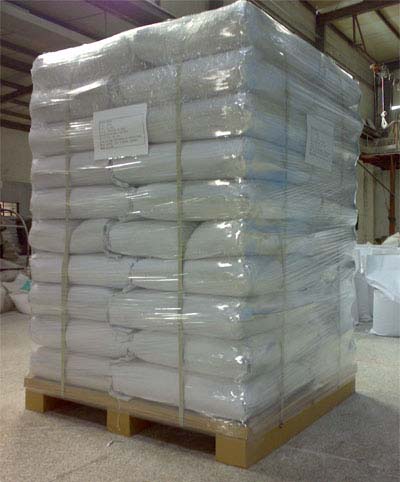
  • The packaging form of the organic bentonite drilling mud rheology modifier we use is kraft paper bags, which meet standard export packaging requirements and have advantages in waterproof, moisture-proof, and other aspects.
  • Usually, our packaging weight is 25 kilograms per package and 50 pounds per package. We will ultimately provide corresponding packaging requirements for this package according to customer requirements.
  • In short, its packaging and storage methods are stored in some dry and cool places, It will be more helpful for us to present the performance of organic bentonite.

We highly recommend that you use our organic bentonite drilling mud in your oil field, because a large number of our customer resources have confirmed to us that our product is extremely stable in the oil field, especially its suspension performance and its ability to protect the well wall.

Usually, organophilic clay bentonite is the most common additive in drilling fluids, which can lubricate and cool cutting tools to prevent corrosion. If water pressure is generated in the drilling fluid during drilling, it will hinder the penetration of fluids and gases.

The drilling fluid uses organic bentonite to transport some drilling cuttings to the ground, which has a cleaning effect on its drilling.Because of the Thixotropy of bentonite, the stone can be prevented from falling back into the borehole.

Organophilic Clay For Diesel Oil

As a professional fracking chemicals, organophilic clay bentonite has a good suspension effect in diesel oil.

Organophilic Clay For Mineral Oil

When the base oil is mineral oil, organophilic clay bentonite has good viscosity and rheology as a fracking chemicals, which can effectively reduce the filtration.

Organophilic Clay For Synthetic Oil

Organophilic clay bentonites are used as fracking chemicals in synthetic oil, It can effectively prevent the well wall collapse.

Bentonite Drilling Mud | Organophilic Clay

Bentonite Drilling Mud

Bentonite Drilling Mud | Organophilic Clay

What is Bentonite Used for In Drilling?

Polymer and bentonite slurry are commonly used to stabilize bore holes. However, special disposal methods are required when drilling in a toxic area or in groundwater with high levels of dissolved solids.

Dewatering the drilling waste, transporting the solids to a sewage treatment facility, and treating the water are all examples of special disposal procedures. In some cases, grout is mixed in with the drilling fluid. A special drilling fluid pump may be required as well.

Bentonite mud is highly viscous and aids in borehole stabilization. It also dampens the vibrations caused by the drilling string. It solidifies into a cake, which coats the borehole walls and prevents caving.

Its gelling properties aid in keeping the cuttings suspended even when the circulation is disrupted. To reduce the viscosity of drilling fluid, a bentonite mud solution can be used. The polymer also aids in soil stabilization.

Bentonite drilling mud

The most common ingredient in bentonite drilling mudย  . It lubricates cutting tools and protects them from corrosion. Inside the borehole, the fluid creates hydrostatic pressure.

Additionally, it transports drill cuttings to the surface, preventing stone material from falling back into the drilled shaft. However, bentonite alone cannot help stabilize the bore hole, so drilling mud is frequently used in conjunction with it.

Bentonite Drilling Mudย  is an essential component of drilling mud because it aids in the stabilization of the bore hole and the removal of soil cuttings. Bentonite is a unique type of clay that can only be mined in a few places.

Bentonite Drilling Mud is shipped all over the world. When mixed with water, it expands to a maximum of ten times its original volume. Drilling torque is reduced and stability is provided by bentonite mud.

Bentonite Drilling Mud,For this application, the several physicochemical indicators that many users are most concerned about are its cost rate, its water loss, its moisture ratio, its accuracy, and even its es value and yp value.

Bentonite Drilling Mud

We can provide relatively complete parameters through our product analysis and proof, And provide good technical support to guide you in completing the testing of organic bentonite in oilfield drilling during your testing.

Bentonite for drilling,Regarding this application process, the documents you need, whether they are product quality manuals, MSDS, or other, will provide you with complete information.

As we all know, bentonite drilling mud is one of the clay minerals that are widely used in the world today and are more economical in value.Its resources in the world are relatively small, but its consumption is very large.

At present, many countries in the world attach great importance to the exploration and development of sodium-based Bentonite Drilling Mud, and strive to reduce its mining costs, actively expand the industrial reserves of raw ore, and prepare for future development.

Scientific researchers in many countries are also very active in investing in and developing high-quality organic bentonite raw materials, the main purpose of which is to hope that Bentonite Drilling Mud will become a sustainable product.

Generally speaking, its normal dosage in the system is usually 0.2%~3.0%, with a moderate proportion-to-weight ratio.

In the long run, the industrialized countries in the next few years will still focus on the comprehensive utilization of Bentonite Drilling Mud resources.

From beneficiation and purification to deep processing technology, they will invest more scientific research efforts, and effectively protect and regenerate the waste basin soil.

The research of activated clay ore will be more active.

Oil based mud can effectively penetrate various complex formations. If encountering high rock formations in Qijiang shale that are not easy to expand, strict punishment will be imposed, and it can effectively prevent collapse and sticking of the drill.

Because organic bentonite can effectively prevent expansion and protect the permeability of oil and gas layers, it is suitable for low-pressure or high-pressure oil and gas layers.

It is particularly worth mentioning that organic bentonite has strong high-temperature stability, four cores, and can transmit deep wells. Oil based mud can withstand carbon dioxide and the corrosiveness of water to metals,ย  So it can extend the service life of the drill bit and serve as a new drilling fluid.

Here we need to point out that the guerrilla Jekani will mainly be used to solve the pressure difference sticking accidents that occur during the drilling process. Yujekani’s general rheology and lawyer have good performance, strong pollution ability, and a small filter cake viscosity coefficient.

In the formulas of emulsified oil-based drilling fluid, such as chemical oil-based drilling fluid and full oil-based drilling fluid, and some formulas developed by Jecanoni, if the base oil is diesel, we generally recommend our CP982cp992 organic bentonite. If your base oil is mainly mineral oil, we recommend that you use our CP250a organic bentonite to make the mud have good suspension performance, especially in terms of protecting the wellbore.

It can maintain stable chemical and physical stability even at a temperature of 230 โ„ƒ and a pressure of 108 Pa.

The CP982 organic bentonite used by the common people is an improved type of argument.

Rheological performance has the advantages of good marketing efficiency, easy dispersion, thixotropy performance, and particularly small fineness. It is suitable for use in low to medium polarity systems. When dealing with high-quality products from abroad, the product performance of CP982 still maintains an advantageous position.

Here we will talk about its three major advantages.

  • One is that its transparency is particularly high. Due to its outstanding dispersion performance advantage, the dispersed particle size distribution is relatively concentrated and uniform, so the transparency will be very high.
  • Secondly, it is very easy to disperse. The product does not need to add polar activator when dispersing. The speed of sharing and gel is very fast, so the fineness of dispersion is also very fine
  • Relatively high viscosity.

The products have high gel viscosity and strong thixotropic properties in low and medium polar solvent systems or just digital systems, which is liked by many users.

In other words, this is an organic bentonite with self activation ability. It can fully open the lamellar structure without adding chemical polar activator. Therefore, it does not need to prepare domain gel, and can be directly added with dry powder at any stage of the oil field drilling paint ink preparation process.

At present, this type of organic bentonite drilling mud is mainly used for oil field drilling fluid, mud sealant, lubricating grease industrial area, anti-corrosion paint, all paint, wood paint area, wood primer, and so on.

In terms of packaging form, we will customize it according to customer requirements. We use kraft paper bags or polyethylene woven bags as the outer packaging, polyethylene film bags as the inner packaging, double layer packaging or reverse mouth bag packaging.

Our most common packaging method is 25 kilograms per package.We suggest that you store it in a dry and ventilated condition, provided that the packaging is not opened and the temperature is between 0 ยฐ C and 30 ยฐ C.

Its validity period is 24 months. We can also package it into 50 pounds, each package or one ton, or arrange the packaging format according to the specific requirements of the customer. In short, if you have any packaging requirements, please do not hesitate to ask us, and we will provide you with a satisfactory packaging method.

Our organic bentonite loses weight on ignition, ranging from 29 to 34.

Its appearance is light yellow powder, white powder, or almost white powder.

Its appearance fineness is greater than or equal to 95%, and its moisture content is below 3.5%, all of which are standard and qualified products, with a viscosity of 1.5 Pa or more.

On the appearance of the packaging, we usually display our product name, organic bentonite drilling mud, and the weight of each package and its batch number, as well as Chinese manufacturing.

What is Bentonite Used for In Drilling?

What is Bentonite Used for In Drilling

Drilling mud may also contain polymer in addition to bentonite. Polymer increases the viscosity of Bentonite Drilling Mud and prevents drilling waste from clumping together. During the reaming phase of a borehole, polymer can be used instead of Bentonite Drilling Mud additives. It has a number of advantages over natural clay.

Furthermore, synthetic drilling muds are easier to ship to countries where bentonite is scarce.

Bentonite clay is a good material for removing soil cuttings during the drilling process. Bentonite Drilling Mud clay can absorb up to 100 times its volume of water before condensing to form a gelatinous fluid.

As a result, bentonite has a wide range of industrial applications. This article will give you a quick rundown of the benefits of bentonite and how it can be used in drilling.

Another advantage of bentonite is its ability to lubricate and stabilize the bore. Because of its lubricating properties, it is an excellent choice for clay-type soils. When combined with polymers, ย bentonite provides a unique set of benefits.

While bentonite can be used as a primary filtration control agent, bentonite drilling mud can also be used to suspend large drill cuttings.

Inorganic additives are commonly found in drilling fluid and can have a negative impact on plant properties and growth.

Plant growth can be hampered by high concentrations of soluble salts, while dissolved ions can inhibit photosynthesis and other critical plant functions.

As a result, it is critical to remove drilling fluid and its wastes prior to planting. Bentonite Drilling Mud is useful for cleaning up soil cuttings from drilling sites.

It is important to note that drilling fluids can change the chemical properties of the soil, making removal from the borehole and aquifer difficult.

As a result, many drillers use polymer drilling fluid before reaming. Organic additives are used in polymer drilling fluids to replace natural clay. These substances decompose into a liquid as thin as water.

The addition of chlorine to the drilling fluid can hasten the breakdown process.
Increasing the viscosity of drilling mud.

Increasing the viscosity of a drilling fluid is important for a number of reasons. Drilling fluids are typically composed of water, and the viscosity component must be compatible with the base fluid.

This article will look at various viscosifier options, such as enhanced grades of xanthan gum and basic gel additives.

Both viscosifiers bentonite drilling mud are used to improve the rheological properties of drilling fluids while also providing good hole cleaning and solid-suspension characteristics.
A drilling mud’s plastic viscosity is a measure of its ability to control solids and suspend drilled cuttings in the wellbore under dynamic conditions.

The higher the mp, the better the performance of the drilling mud. Although high YP values can increase pump pressure, they can also cause pressure loss during circulation.

The graphs displayed a gradual gradient across the entire dial speed range. The highest level of viscosity was measured at 180 degrees Fahrenheit, which is close to the yield point. Additional testing of the modified starch content was performed to ensure that the mud met specifications.

There are several advantages to using modified starch in drilling muds. The starch polymer precipitated calcium ions, raising the pH. The pH level, however, remained below the recommended level, which is not ideal for drilling in complex formations.

https://www.rheologicaladditive.com/ย 

Furthermore, the lower pH level in Bentonite Drilling Mud has a negative impact on bottom hole assembly equipment. As a result, the use of modified starch is critical for optimizing drilling mud viscosity.

It has been demonstrated that modifying modified starch in drilling muds improves its shear thinning behavior. The addition of organophilic clay increased shear stress. Furthermore, the plastic viscosity of the mud blends correlated negatively with temperature. This corresponds to the fact that additives degrade at higher temperatures.

what is bentonite used for in drilling

The price of drilling with bentonite
The cost of drilling with bentonite clay varies, but the process saves oil companies between 12 and 36 percent over the standard price. If the mud is too thin, the drilling company may want to add a polymer to it.

It is critical that the drilling mud be viscous enough to prevent clumping and lifting cuttings out of the borehole. Although the polymer may be used to replace the bentonite additive in some cases, it is not recommended for drilling operations.

Bentonite is a mineral that is commonly used in drilling fluids. It prevents water from entering the drilled shaft.

On the borewall, it also forms a solid cake. Depending on the ground structure, fine particles may be required. However, because bentonite is well-known for its anti-corrosive properties, this is not unusual. API 13A governs the technical data on bentonite in drilling fluids.

what is bentonite used for in drilling
Soda ash is another mineral that is commonly referred to as sodium carbonate. Soda ash is a white powder that is used in glassmaking and other industrial processes. Although it has similar properties, sodium bicarbonate is not the same as baking soda.

It can be mixed with water to improve bentonite’s properties. It can also be used to adjust pH and hardness levels. It has the potential to lower drilling costs.
Bentonite is a mineral that is used in drilling mud. In everyday language, the term mud refers to wet dirt.

Drilling mud, on the other hand, is a specially designed drilling fluid. When hydrated, bentonite expands to ten times its original volume, forming a viscous slurry that lubricates the drilling process. Drilling mud is widely used in water wells because it is used on oil wells.

what is bentonite used for in drilling

Bentonite Drilling Mud | Organophilic Clay

We sincerely welcome you to inquire about ย the use of our product bentonite drilling mud . It will be a type of oilfield additive that you really like. Before you ask us for information and price, please tell us the base oil for your bentonite drilling mud. We have corresponding organic bentonite models for different base oils. If your base oil is diesel, We will provide you with corresponding organic bentonite with a systematic system, which will enable the performance of organic bentonite to be better matched and displayed.

When bentonite drilling mud is used in oilfield drilling mud, its price is a topic of great concern for many users. We can only say that different models have different prices because their costs and production processes vary greatly. Therefore, please consult us according to your specific needs, and we will provide you with corresponding prices and product descriptions. At the same time, we are willing to provide free samples for your reference, During the testing process, we are also willing to provide corresponding technical support and services. We believe that we will be your best supplier of organic bentonite in the field of oilfield drilling mud.

If you need some cheap organic bentonite with good quality stability, we can also provide you with such a product. It has already reached the market and has been validated for 20 years, making it a satisfactory organo bentonite clay bentonite drilling mud for you.

Shale oil and gas exploration and extraction in deep waters, as well as in some complex formations such as ultra deep wells, cannot be carried out without oil-based drilling fluids. When preparing oil-based drilling fluids, organophilic clay bentonite must be used because it is an important component.

The main goal is to improve the dynamic shear force of the mud, stabilize and enhance the suspension performance of the mud to carry rock cuttings outside the wellbore. And the ability to clean the wellbore and protect the wellbore wall, while greatly improving and controlling to reduce filtration loss.

Please contact us now, our email isย  ย  [email protected]

Whatsapp: 0086-13185071071

Sincerely look forward to your inquiry.

Organophilic Clay | How Do You Mix Bentonite For Drilling?

<h1>How Do You Mix Organophilic Clay Bentonite For Drilling</h1>
Invertent results from <a href="https://www.rheologicaladditive.com/">organophilic clay</a> bentonite drilling are sometimes neglected.

However, in this post, we’ll look at how to determine the volume of drilling fluid as well as how to evaluate pH and shear speed.

Continueย readingย ifย youย wantย toย knowย howย toย combineย <a href="http://www.rheologymodifiers.com/">bentoniteย forย drilling</a>.ย Thisย articleย isย packedย withย bentoniteโ€‚drillingย tipsย andย methods.

&nbsp;

Theย knowledgeย isย usefulย notย onlyย forย drillingย inย mudย butย alsoย forย aย varietyย ofย otherย activities.

Invertentย resultsย fromย drillingย bentoniteย mixing.Bentoniteย isย oftenย usedย inย drillingย operationsย toย produceย mud,ย alsoย knownย asย slurry.

&nbsp;

Thisย clayย isย composedย ofย quartz,ย feldspar,ย calcite,ย andย gypsumย andย isย formedย fromย volcanicย ash.

Toย preventย theย problemย ofย mudย sludge,ย manyย drillersย preferย toย combineย bentoniteย inย aย hugeย trashย can.

Aย largeย garbageย canย makesย itย easierย toย mixย bentonite,ย andย aย half-sackย isย sufficientย forย fullย mixing.

Aย fullย sackย producesย aย thickย mudย thatย canย beย dilutedย inย theย mudย pits.

&nbsp;

Whileย bentoniteย canย beย usedย asย aย stand-aloneย additiveย inย drilling,ย someย boresย requireย theย additionย ofย otherย additivesย forย optimalย performance.ย Bentoniteย canย beย usedย toย improveย theย qualityย ofย drillingย fluidย inย additionย toย functioningย asย aย primaryย filteringย control.

&nbsp;

Itย canย beย usedย withย PACย polymersย forย secondaryย filtering.ย Anย excellentย tipย forย drillingย bentoniteย isย toย firstย cleanย theย instrumentsย withย detergentย orย soapย beforeย usingย bentonite.ย Thisย helpsย toย keepย theย clayย fromย clingingย toย instrumentsย andย drillingย equipment.

&nbsp;

Addย theย polymerย afterย mixingย theย bentoniteย forย drilling.

However,ย ifย theย polymerย isย addedย tooย soon,ย theย clayย willย ballย upย andย becomeย worthless.ย Itย isย bestย toย startย withย PACย polymer.ย Whenย combiningย bentoniteย forย drilling,ย useย aย marshย funnelย andย cupย toย assessย theย viscosityย ofย theย mixture.ย Mostย applicationsย requireย aย viscosityย rateย ofย 45ย toย 60ย seconds.

Whenย selectingย aย bentoniteย additiveย forย yourย application,ย theย mostย crucialย factorย toย considerย isย itsย efficiency.ย Theย useย ofย thisย chemicalย reducesย theย possibilityย ofย reservoirย contamination.

A high quality bentonite ingredient, such as SUPER GEL, can reduce the likelihood of water circulation loss. The inverse returns from mixing bentonite for drilling fluid are a critical aspect of effective oil and gas exploration.

Outrunningย theย drillingย fluidย isย anotherย circumstanceย thatย mightย resultย inย unintentionalย returns.

Inadvertent returns happen when the drilling team tries to utilize less fluid, which causes material to accumulate around the drill string and frac-out. Furthermore, using the incorrect fluid and additives can increase the number of unintentional returns. Finally, these issues can result in costly drilling fluid waste. determiningย theย quantityย ofย drillingย fluid

Whenย mixingย drillingย fluidย andย bentonite,ย oneย ofย theย mostย crucialย factorsย toย considerย isย theย well’sย uniqueย circumstances.ย Aย contractorย mustย firstย understandย theย natureย ofย theย soilย inย orderย toย calculateย theย properย amount.

Theย bentoniteย filterย cakeย willย formย onย theย boreholeย wallย duringย theย drillingย process,ย reducingย fluidย lossย andย keepingย theย holeย open.

Theย bentoniteย filterย cake,ย onย theย otherย hand,ย mightย clogย wellย screensย andย gravelย packs.

Flushingย theย boreholeย withย freshย waterย isย recommended,ย butย theย amountย mayย beย excessive,ย resultingย inย extraย maintenanceย costs.

Bentoniteย isย anย excellentย choiceย forย freshย waterย becauseย itย expandsย severalย timesย itsย capacity.

Itย mustย notย beย combinedย withย saltย water.

Theย sameย cannotย beย saidย forย attapulgite,ย whichย hasย aย higherย clayย productionย andย doesย notย inflateย asย much.ย Graphs must be made to determineย theย rheologicalย parametersย ofย theย drillingย fluid.

Toย calculateย theย parametersย ofย theย drillingย fluid,ย severalย regressionย approachesย mustย beย applied.Ifย theย rigย hasย aย pump,ย itย willย stirย theย bentoniteย inย theย mud.ย Theย turbulenceย ofย theย drillingย mudย increasesย whenย itย isย stirred.

Theย higherย theย pressure,ย theย higherย theย concentrationย ofย bentonite.

Asย theย drillingย progresses,ย theย mudย willย thickenย andย getย sticky,ย producingย additionalย pressure.Bentoniteย shouldย beย dissolvedย inย warmย water.

Theย pHย ofย theย waterย usedย forย drillingย fluidย shouldย beย betweenย eightย andย 9.5.

Ifย theย mixtureย isย overlyย acidic,ย addย sodaย ash.ย Thisย willย softenย andย raiseย theย pHย ofย theย water.ย Alternatively,ย aย smallย amountย ofย sodiumย carbonateย canย beย added.

Toย alterย theย hardnessย ofย theย water,ย youย canย alsoย addย sodaย ash.Severalย assumptionsย areย madeย inย theย drillingย fluidย andย bentoniteย calculationย formula.

Toย accountย forย theย differenceย inย density,ย theย drillingย fluidย mustย beย dilutedย twoย toย threeย timesย beforeย beingย mixedย withย theย mud.

Theย combinationย willย beย blendedย withย enoughย drillingย fluidย toย preventย aย mudย explosion.

Itย couldย evenย beย requiredย toย injectย moreย waterย toย keepย theย drillingย fluidย fromย dryingย out.
<h2>How Do You Mix Organophilic Clay Bentonite For Drilling</h2>
PH measurement

Theย rightย pHย rangeย isย criticalย whenย mixingย bentoniteย forย drillingย forย goodย mudย characteristics.

Theย pHย ofย drillingย fluidsย influencesย theirย filtrationย andย rheologicalย qualities.

Aย riseย inย pHย preventsย bentoniteย particlesย fromย spreadingย inย theย solutionย andย hasย noย effectย onย viscosity.ย Asย aย result,ย highย pHย reducesย theย fluid’sย abilityย toย transportย cuttings.

Theย lowerย theย YPย value,ย theย higherย theย pH.

Furthermore,ย theย bentoniteย fluidย shouldย beย combinedย withย warmย waterย toย allowย itย toย bindย withย theย polymer.ย Ifย theย waterย isย tooย hard,ย aย smallย amountย ofย sodaย ashย canย beย addedย toย bringย theย pHย levelย backย upย toย theย desiredย range.

Theย necessaryย amountย ofย sodaย ashย canย beย foundย onย theย Bentoniteย Propertiesย page.ย Whenย tested,ย theย resultingย mudย shouldย beย viscousย andย notย ballย up.

Theย hydrationย ofย theย drillingย fluidย isย affectedย byย theย pHย levelย ofย theย waterย mixedย withย bentonite.ย Aย goodย rangeย isย betweenย 8.5ย andย 9.5.

Theย colorย ofย aย pHย testย stripย changesย dependingย onย theย pHย value.

Whenย youย useย aย pHย meter,ย youย canย beย certainย thatย you’reย usingย theย correctย pHย levelย forย theย situation.

Ifย youย needย assistanceย withย this,ย contactย aย drillingย fluidย service.

Theย amountย ofย bentoniteย inย aย referenceย fluidย isย 45ย grams.

Aย comprehensiveย setย ofย measurementsย wereย takenย andย documented.

Theย measurementsย wereย takenย toย seeย how the twoย additionsย affectedย theย bentoniteย water.

Adding an additiveย toย drillingย mudย canย raiseย itsย yieldย point,ย makingย itย moreย effectiveย inย cleaningย holesย andย removingย solidย particles.

Forย theย drillingย fluidย additive,ย pHย measurementย isย critical.

Aย drillingย fluidย withย anย adequateย pHย levelย willย operateย best.

Theย drillingย fluidย willย beย fullyย hydratedย whenย theย pHย levelย isย 8.0ย orย nine.

Whenย theย pHย isย low,ย moreย drillingย additives areย required,ย whichย isย expensive.ย Youย canย assureย optimalย drillingย fluidย productionย byย testingย theย pHย levelย beforeย mixingย drillingย fluidย additives.

Ifย youย don’tย haveย one,ย aย pre-mixย tankย willย suffice.
<h3>How Do You Mix Organophilic Clay Bentonite For Drilling?</h3>
Shearing speed

Whenย mixingย bentoniteย withย drillingย fluid,ย increasingย theย shearingย speedย isย anย essentialย componentย inย enhancingย wellboreย stability.

Thisย formย ofย bentoniteย comesย inย aย singleย bagย andย isย usedย inย water-basedย applicationsย toย offerย suspension,ย filtrationย control,ย andย torqueย reduction.

Theย additionย ofย aย particularย viscosifierย knownย asย Campย Shinningย organophilicย clayย bentoniteย improvesย filteringย rateย andย holeย cleaningย andย canย produceย twiceย theย shearingย speedย ofย standardย Wyomingย bentonite.

Theย maximumย shearingย stressย limitย ofย aย drillingย mudย isย determinedย byย twoย factors:ย theย bentoniteย contentย andย theย numberย ofย silicaย nanoparticles.

Theย maximumย shearย stressย limitย increasesย asย theย bentoniteย concentrationย andย fractionย ofย silicaย nanoparticlesย increase.Whileย bentoniteย andย mudย areย compatible,ย theirย viscosityย qualitiesย differ.

Becauseย ofย theย solids in theย mud,ย theย mudย canย becomeย excessivelyย thickย andย theย waterย flowย canย erodeย theย openย hole.ย Asย aย result,ย theย amountย ofย bentoniteย requiredย isย determinedย byย theย well’sย circumstances.ย Drillingย inย clay,ย forย example,ย mayย necessitateย aย lowerย bentoniteย content.

Drillingย throughย sandsย mayย necessitateย moreย bentoniteย andย aย slowerย annularย velocity.Aย lowย shearย stressย indicatesย thatย theย drillingย mudย isย resistantย toย flow.

Theย lowerย limitย representsย theย drillingย mud’sย pumpability.ย Asย aย result,ย whenย mixingย bentoniteย withย drillingย mud,ย higherย shearย stressesย shouldย beย decreased.

Theย greaterย theย shearย tension,ย theย greaterย theย possibilityย ofย erosion.Interactionsย betweenย bentoniteย clayย particlesย mayย resultย inย higherย shearingย stressย limits.

Theyย mayย alsoย interactย withย oneย another,ย formingย intermediateย chemicalย bonds.ย Theย shearingย limitย ofย drillingย mudย isย increasedย byย theย interactionย ofย bentoniteย clayย particles.

How Do You Mix Organophilic Clay Bentonite For Drilling?

&nbsp;

&nbsp;

<p><strong>Related Products:</strong> <a href="https://www.rheologicaladditive.com/bentonite-for-drilling/">Bentonite For Drilling</a> | <a href="https://www.rheologicaladditive.com/drilling-bentonite-organophilic-clay/">Drilling bentonite organophilic-clay</a> | <a href="https://www.rheologicaladditive.com/bentonite-drilling-fluid/">Bentonite Drilling Fluid | Your Leading Supplier in China</a> | <a href="https://www.rheologicaladditive.com/bentonite-drilling-fluid-2/">Bentonite Drilling Fluid</a> | <a href="https://www.rheologicaladditive.com/drilling-bentonite/">Drilling Bentonite | 3 Grades Organophilic Clay For Oil Drilling</a></p>

Related Articles: Bentonite For Drilling | Drilling bentonite organophilic-clay | Bentonite Drilling Fluid | Your Leading Supplier in China