
Zinc Alkyl Dithiophosphate

Zinc Alkyl Dithiophosphate

Zinc Alkyl Dithiophosphate

ZDDP additive is an additive used in lubricating greases. Like organoclay bentonite, it can be used in lubricants in the same way, but their functions are different.

ZDDP additive is a viscous liquid that is soluble in water and has excellent thermal stability, hydrolysis stability, and particularly outstanding wear resistance protection.

For many years,zinc dialkyldithiophosphate has been widely used in hydraulic oil, engine oil, and transmission fluid. Gear oil is also one of its main application areas.

ZDDP | Zinc Alkyl Dithiophosphate mainly produces a protective layer on the surface of the engine, as well as a new glassy zinc phosphate protective film, which has a very high iron content.

Among many lubricants, regardless of their type, they can effectively control the corrosion and wear of copper lead bearings through oxidation, making them very popular in lubricants for diesel and gasoline engines.

So zddp oil additive is an excellent anti-wear lubricating oil additive that performs well in terms of hydrolysis stability and high thermal stability.zinc additive for motor oil can effectively match dispersants, detergents, and additives in engine oil.

Zinc Alkyl Dithiophosphate | zinc additive for engine oil

We will summarize its application scope to follows and categories.

Engine Oils, Gear Lubricants, Hydraulic Fluid, Lube Oil, Motor Oils, Rubber Accelerator.

We mainly use iron or plastic barrels for its packaging. zddp additive net weight is around 200 kilograms per barrel, and zinc alkyldithiophosphate is suitable for various transportation methods, such as railways, highways, sea freight, etc.

Its maximum storage and transportation temperature cannot exceed 45 degrees Celsius, and its basic shelf life is about two years.

Please store zinc alkyldithiophosphate in a cool and dry place. If you accidentally come into contact with the skin, please thoroughly clean zinc additive for motor oil with water or detergent.

As an economical and efficient lubricating grease additive, its use is effective and safe. zinc alkyldithiophosphate  can improve the application environment of engine oil and other lubricants, mainly to improve the quality of base oil under various operating conditions and meet the high-performance requirements of any machinery.

Therefore, whether your product is lubricating grease, hydraulic oil, engine oil, etc., including in automotive applications, This product is all for you to go to the supermarket, so we call zinc alkyldithiophosphate an efficient anti wear antioxidant.

Its purity reaches 99% and is mainly used as an antioxidant or slow-release agent in lubricating oils.EINECS:270-608-0.

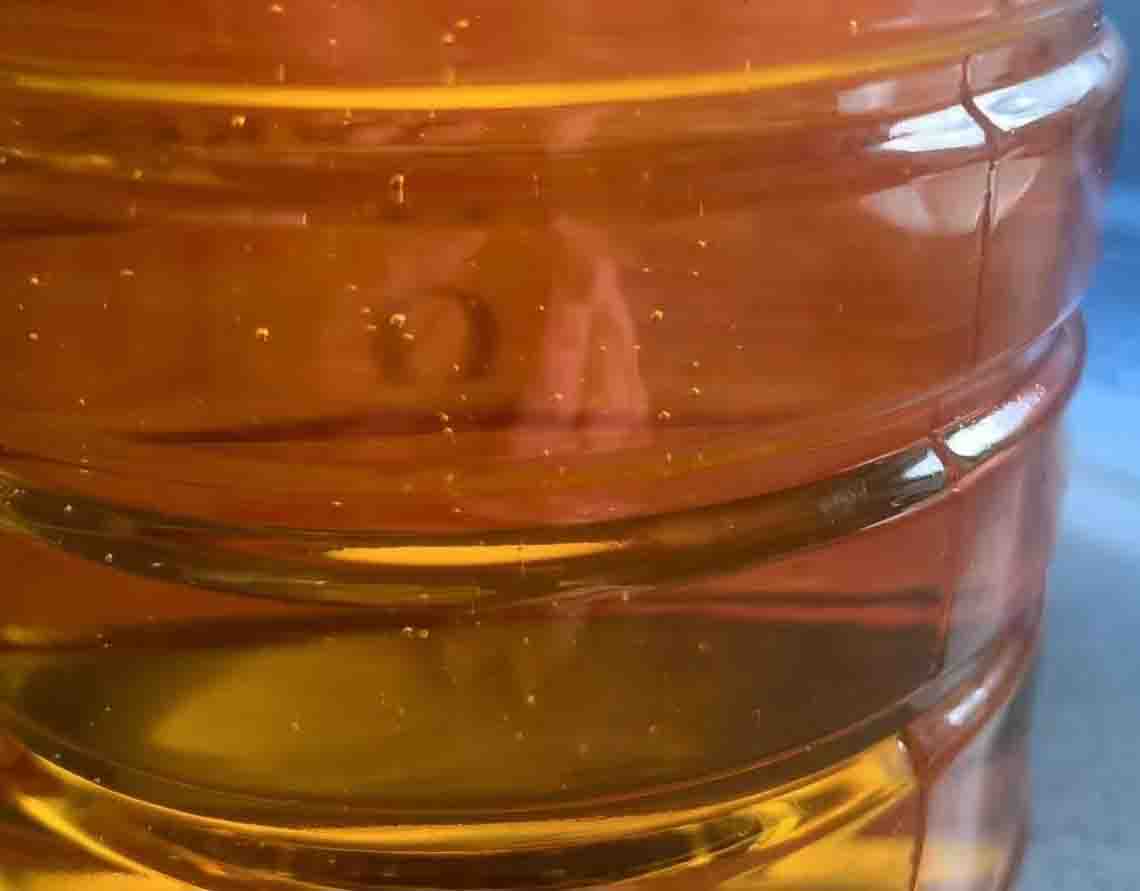
Its appearance is a yellow liquid.We will deliver zddp oil additive to you in barrels.

As an efficient antioxidant and corrosion inhibitor, zinc dialkyldithiophosphate is an essential additive in today’s automotive lubricants.

Good thermal stability, oil solubility, and good matching performance with other additives are all excellent properties of zddp additive, and its demulsification performance is also extremely outstanding.

Usually, we use zddp oil additive in conjunction with dispersants and detergents in some diesel systems.

So if you have particularly high requirements for your lubricating oil in terms of oxidation resistance, corrosion resistance, and wear resistance, please use our product boldly.

The zinc content is generally between 8 and 10.The minimum flash point is 180.Sulfur, m%,Between 12 and 18.

Welcome to inquire about our product, Zinc Alkyl Dithiophosphate will be a worthwhile additive in your lubrication.

Zinc Alkyl Dithiophosphate | zinc additive for engine oil

This appearance is a light yellow liquid with a chemical additive density between 1070 and 1140, when its temperature is at 20 ℃.

The Zinc ingredient content ranges from 8.5 to 9.5.This is all within the standard range of data.P Content, m% is 7.6 to 8.5,S Content, m% IS 15 to 18.Flash Point (COC), ℃,≥160 is standard.

There are many additives in lubricating grease, whether zinc dialkyldithiophosphate is organoclay bentonite used in usage or ZDDP | Zinc Alkyl Dithiophosphate used in lubricating grease, we recommend that you conduct testing first.The results obtained through testing are worthy, confirmed, and reliable.

Please inquire about our ZDDP | Zinc Alkyl Dithiophosphate now.

Pls Contact us: Whatsapp: 0086-13185071071
Polyethylene Wax | Water based & Solvent Based PE Wax

有机膨润土

Polyethylene Wax

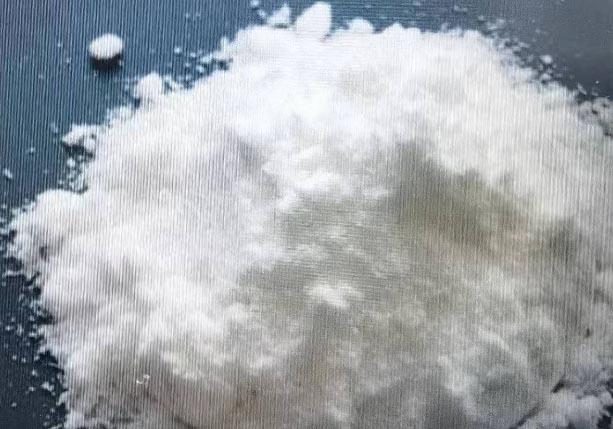
Polyethylene Wax and organoclay rheological additives,They are all additives used for paint putty. They are all used as thickeners.

We have two systems for this type of milk powder, one is water-based and the other is solvent based, which can be applied to ink coatings in water-based and solvent based systems respectively.

In water-based ink UV water-based coatings, we can use our Polyethylene Wax  powder. This type of milk powder can provide efficient adhesive and provides anti-blocking, scratch resistance, abrasion resistance, and stain resistance. Also provides good gloss, smooth soft hand, and better hydrophobicity.

The new generation of powder can also provide relatively good hardness and excellent wear resistance, which is an effect that many liquid like materials cannot achieve. At the same time, its dispersion performance is particularly outstanding, and its luster is also very ideal. Therefore, many agricultural machinery systems will present good transparency after using it.

Good compatibility is another advantage of leather leather-pulling style. When it is compatible with filler pigments and metal pigments, it can play a role in anti-precipitation.

The method of bulk powder is to pack 20 kilograms in a single package, with a gross weight of 20.2 kilograms. Each package is a general chemical, which means that when it is stored as dangerous goods, please store it in a dry and cool place away from strong oxidants.

Polyethylene Wax | PE Wax Powder | Micronized wax

It is recommended that you pay attention to the following aspects when adding to the formula when using it.

Usually, the amount of spicy powder added ranges from 0.5% to 3% of the weight of the entire formula. Of course, you can also determine your addition amount based on your actual needs, and the data we provide is for your reference only.

The biggest feature of our slightly spicy powder is that you can directly use it in your formula, which means it can have a relatively easy dispersion ability when stirred at high speed. Its dispersion performance is particularly outstanding in solvent based coatings and printing inks.

You can also use specific dispersion equipment to achieve more efficient dispersion effects, such as grinders and high shear dispersion equipment, which can effectively assist in dispersion.

Of course, you can also pre mix wax slurry and then add it to the system,  This can reduce the time for dispersion and promote the goal of dispersion in universities.

The application field of PE Wax | Polyethylene Wax 

  1. Firstly, this type of skin dependency has advantages such as high softening point, heat resistance, high hardness, and good dispersibility. Therefore, it can greatly improve its wear resistance in solvent based printing inks.
  2. It can reduce the friction coefficient and benzene solubility, ink layer solubility, and oil soluble inks have good compatibility.
  3. At the same time, PE Wax | micronized Polyethylene wax can be widely used in some fields such as plastic machine rolls, coating wood-based industrial areas, etc., mainly because its surface coating provides excellent wear resistance and scratch resistance.
  4.  Pinyin can also be used in powder coatings, which can improve hardness, enhance scratch resistance, and have related abilities. It will not smoke when baked at 180 ℃ .
  5. PE Wax powder can be applied to wood paint, which exhibits a phenomenon of uniform particles, good dispersion and transparency, and is very compatible with wood paint and coating formulations.Its fingerprint resistance is also particularly outstanding, with only good residual effect.
  6. When used in combination with silica matting agent powder, the  wood paint can give the paint a very soft feel and long-lasting matting effect. If used together with organic bentonite clay | organoclay in wood paint, it can make the entire formula more stable during the fundraising period, especially in terms of thickening and mutation.

Whether you use Polyethylene Wax powder in industrial coatings or wood paint powder coatings, we recommend that you use it in a formula that combines matting agent powder and organophilic clay bentonite to achieve good compatibility and stability.

Hydroxypropylmethyl Cellulose for Motar /putty

Anti Sedimentation Agent

Hydroxypropylmethyl Cellulose

Hydroxypropylmethyl Cellulose | HPMC is a product with a wide range of applications, which is typically used as a tile adhesive,The use of ha PMC in ceramic tile pointing agents, self leveling cement mortar, and some insulation mortars, especially in polymer mortars with high flexibility requirements, is very effective.

Hydroxypropyl methylcellulose HPMC is widely used in bonding mortar, grinding mortar, and decorative mortar for some exterior wall insulation systems. HPMC is also widely used in interior and exterior wall putty and flexible crack-resistant mortar.

This material is a non-ionic cellulose rice made from natural polymer material cellulose through a series of reactions. hydroxypropyl methylcellulose is a odorless, odorless, non-toxic organic compound that grows into a clear or slightly cloudy colloidal solution in cold water.

Hydroxypropyl methylcellulose  greatest advantage is that hydroxypropyl methyl cellulose has water retention, thickening, combination and dispersion, excellent emulsifying ability, film forming and suspension performance, and is also excellent in gel and western areas. It is an oil paint additive with outstanding surface activity and protective colloid characteristics.

In addition to the application fields mentioned above,hydroxypropyl methylcellulose is also widely used in fields such as coatings, industry, medicine, food, daily chemicals, ceramics, synthetic resins, etc.

hydroxypropyl methylcellulose is a granular and powdery solid powder with a white or yellow fibrous appearance.Its dry weight loss moisture content is greater than or equal to 5%.

Usually, hydroxypropyl methylcellulose hpmc pH range is between 4.0 and 8.0, and its mesh count is 98% through 100 mesh.The viscosity also ranges from 100 to 200000, in 2% of the solution.

What is hydroxypropyl methylcellulose ? 

1), Hydroxypropylmethyl Cellulose is applied to interior and exterior wall putty.

Good water retention is its biggest advantage, as hydroxypropyl methylcellulose hpmc preserves the moisture in the mortar, allowing complete solidification of cement, lime, and calcium, while also ensuring that workers can  achieve multiple batches of putty scraping for workers during operation.

Good application properties, easy application due to fiber technology providing suitable viscosity and good plasticity. hydroxypropyl methylcellulose hpmc does not stick to the knife, which improves the construction efficiency, which is especially remarkable.

What is hydroxypropyl methylcellulose?

2) Hydroxypropylmethyl Cellulose is applied to ceramic tile adhesive.

hydroxypropyl methylcellulose hpmc is used as a thickener in paint coatings and adhesive, just like organoclay bentonite.

In this process of use, water retention is still its biggest advantage.

hydroxypropyl methyl cellulose can reduce the absorption of water during the process of mortar, substrate, and ceramic tile lunch boxes, and retain the water as much as possible in the adhesive, allowing the cement to completely solidify, significantly improving the ceramic tile adhesive’s ability to penetrate the underworld and preventing the hardness of the tiles from hollowing out or falling off.

This greatly improves work efficiency during construction.

hydroxypropyl methylcellulose HPMC can improve bonding strength and improve anti – slip mobility, as hydroxypropyl methyl cellulose ensures that tiles do not slide during construction and have a strong bond after construction.

3),Hydroxypropyl methylcellulose is used for gypsum based plastering.

The outstanding water retention properties enable hydroxypropylmethyl cellulose  to retain the moisture in the mortar well, allowing the gypsum to completely solidify, The higher the viscosity of the solution, the stronger its water retention capacity, while conversely, its water retention capacity will decrease significantly.

Excellent construction performance.hydroxypropylmethyl cellulose provides suitable viscosity and is easy to apply. Watermelons are particularly smooth and non stick knife, improving construction efficiency.

The above is what we mentioned. hydroxypropyl methyl cellulose has good formula stability, outstanding water retention, and is easy to construct.Our product has the advantages of low viscosity construction and high viscosity water retention, so its water retention is our biggest advantage and feature.

Fortunately, the main performance of the construction is that hydroxypropylmethyl cellulose is easy for watermelons to be smooth, with good filling properties and a uniform feel.

hydroxypropylmethyl cellulose has strong compatibility and can be used in many different types of putty and gypsum products.

Our starting point is to maintain the stability and high purity of the formula while ensuring water retention and workability.

Related Products: THICKENT W—HPMC

Related Products: Hydroxypropylmethyl Cellulose for Motar /putty

Elementor #20131

White Organoclay 

White Organoclay Manufacturer in China

White Organoclay, the main products at Camp Shinning.

Camp Shinning’s White Organoclay is your best and most trusted organoclays manufacturer and supplier in China which with good price and uses. We provide different types of organophilic clay, which are widely used in paint and coating industry, ink and grease industry and oilfield drilling industry.

  • ISO9001 Certified manufacturer
  • More than 20 years of manufacturing experience
  • Provide free samples and technical guidance.
  • 24/7 Online assistance for everyone orders
Bentonite Clay Powder
ORGANOCLAY BENTONITE CLAY
rheological additive

White Organoclay Your Best Choice for Your Project

Camp Shinning have more than 20 years of R & D, production and sales experience, we can ensure that all the thixotropic additive provided to you are produced and tested in strict accordance with industry standards and far higher than the requirements of ISO. We ensure that the rheologieadditive provided to you has good thixotropic performance, and extremely rheology and sedimentation resistance.

 Deal with us Now!

Organoclay Price & Organoclay Uses

 Because we have advancedequipment and excellent  technical R & D team, and we always use the best formula and raw materials, you can get high-quality thixotropic clay in Camp Shinning. You can choose us as your rheologieadditive supplier. We strive to meet your needs for the   maker. We also according to your specific application field and formula requirements, Customize your needs. Suitable for your system.

 Send your inquiry now! Be part of our successful services.

White Organoclay for Paints & Coatings

Solvent-based White Organoclay for Paints & Coatings

Describe organoclay.

Phytosilicates, or pozzolanic clay minerals, are modified by quaternary amines to produce the clay mineral known as organoclay.

Similar to the parent clay minerals, the resultant material features a lipophilic surface made up of covalently bonded organic molecules.

Because it functions as a filler and dispersion in solvent-based paints and coatings, organoclay is frequently employed in applications involving acrylic resin.

organoclay

Compositions including organoclays, a rheological addition with significant benefits above conventional alumina powders, are offered here.

These mixtures have the ability to conceal surface flaws and create innovative color effects.

The advantages of using organoclay rheology additives are numerous and include improved color, finer particle size, reflectivity, gloss, and brilliance.

To improve the aesthetic effect, the current innovation also permits the blending of organic and inorganic colours.

Additionally, it offers durable weather protection for simple defect coverage.

Organoclay powder is added at various points during the coating process as part of the preparation procedure for solvent-based paints and coatings.

In order to boost viscosity and prevent pigment settling, it can also be employed as a post-additive in painter’s palettes.

Because the solid content of solvent-based paint components is often low, adding organoclay powder can make the paint more viscous.

Low softening points, toxicity, and thermal breakdown are just a few drawbacks that typical organic binders experience.

Along with reducing the coating’s thermal insulating characteristics, this process also produces hazardous gas pollutants.

Additionally, the sintered layer is not cohesive and develops fissures.

Thermal decomposition also prevents the sintered layer from forming properly, which might result in coating damage in a fire.

The automotive industry is another place where organoclay white is used for solvent-based paints and coatings.

This region uses a lot of coatings, thus its utilization calls for a strong thermal barrier and protection from extreme temperatures.

Traditional pigments can be replaced with the high-performance, cost-effective Organoclay White for solvent-based paints and coatings.

It can be applied to a wide range of cellulosic materials and has a long number of applications.

A rheological ingredient used in paints and coatings is called organoclay.

It enhances paint leveling and uniformity and avoids pigment settling.

It lessens paint drooping on vertical surfaces and gives solvent-based paints an additional layer of tack.

It is added in a range of 0.2 to 1 percent, depending on the application.

Organoclays are also employed in a number of industrial applications and for the prevention of corrosion.

One of the most popular inorganic rheology modifiers used in solvent-borne paints and coatings is this clay.

One of the most popular and adaptable organoclays, it is also one of the most commonly used.

Compared to other organoclays, organoclays exhibit better control of sag, flow, and anti-leveling in organic solvent-based paints and coatings.

Smicket is very dispersible in comparison to other kinds of organoclays and can be put without additional additions directly to the grinding base.

It can be incorporated either before or after crystallization, and it stops the development of primary particles.

Additionally, it makes pigment agglomerates’ dispersion simple.

Modifier for correlation

One of the most often used ingredients in solvent-based paints and coatings is rheology modifiers.

These substances, which are typically found in powder form, are of natural origin.

Through various commercial grades, their chemical qualities, which are dependent on their rheological behavior, can be investigated.

The viscosity and flow properties of coatings and paints may be improved using associative modifiers.

Organoclays are great at regulating rheology and viscosity in addition to being non-polar.

They perform exceptionally well in terms of sag control and anti-settling and are compatible with a variety of inorganic solvent-borne systems.

There are additional inorganic and hybrid rheology modifiers available.

They consist of organoclay, precipitated silica, and fumed silica.

Associative thickeners are surface-active organic rheology modifiers that attach to the polymer film matrix as films are being formed.

They also give the coating layer characteristics like resistance to sagging and settling.

There may be a range of resistance to settling and sagging among the various additives used in solvent-borne paints and coatings.

behavior of shearing thickening

A naturally occurring material with good thixotropism is called organoclay.

The main components of organoclay are sodium montmorillonites and hectorite.

Its thixotropic characteristics can be enhanced yet more by the addition of organic alkyl groups.

Organoclay is beneficial for managing the separation of liquids and pigment particles as well as for usage in paint and coating formulations as a thixotropic ingredient.

The sort of shear that is used to thin out white organoclay affects how it thickens.

For highly colored paints, high viscosity thickeners are suggested since they have a lower chance of sedimenting pigment particles due to their increased viscosity.

The slope of the thickener’s viscosity has an impact on a number of properties including flow rate, leveling, sag resistance, film thickness, and opacity.

Thixotropic coatings become more viscous under high shear rates, but become less viscous under low shear rates, making them more challenging to work with or apply.

High-filled systems need greater viscosity levels at minimal to no shear rates to offset this.

For solventborne paints and coatings, these characteristics are crucial.

The inclusion of CP-257 can enhance the white organatones’ shear thickening behavior in paints and coatings.

A rheological additive with a wider range of compatibility is CP-257.

It is used as a powder to paint mixtures, and is normally blended in at a rate of 0.1 percent to 1.0 percent by weight.

However, it must be used in conjunction with a polar activator for best results.

The shear rate and application method affect the rheological behavior of white organoclay in solventborne paints and coatings.

While medium shear rates are employed for flow and coating applications, low shear rates are suitable for leveling, settling, and spraying.

The most precise method for analyzing the shear-thickening behavior of solventborne paints and coatings is shear rate measurements.

The price of additives

Depending on the final application, the geographical region, and other variables, the price of white organoclay additives for a solventborne paint or coating may change.

However, this substance is regarded as a multipurpose additive with a wide range of capabilities.

Despite making up a negligible fraction of the paint’s weight, it accounts for 13% of the cost of raw materials.

Because of this, the coatings industry views it as an useful value-added component.

Without the expense of additional raw materials, the same performance can be obtained with solventborne paint.

CP-1 is one of the top white organoclay additions for paints and coatings that are solventborne.

In traditional solvent-based paints, CP-10 is very dispersible.

If there are strong shear and letdown tank conditions, it can be incorporated into the pigment grind.

Chemical activator is not needed for it to disseminate.

To improve the rheological qualities of paints, white organoclay additions are utilized.

The thixotropic characteristic that holds brushstrokes is added by these compounds.

They can be immediately incorporated into solventborne paints or coatings and are used as an alternative to stearates and wax.

Water treatment systems also employ white organoclay.

The solvent-borne paint uses polymer to help it stick to the surface.

Because of this, it works well as an addition in water treatment systems.

There are many different kinds of organoclay additives on the market right now.

Whatsapp/Wechat:+86-13185071071

Sodium Hexametaphosphate Shmp

Sodium hexametaphosphate shmp

Sodium hexametaphosphate shmp

Similar words: Graham’s salt Tech Grade
CAS No.: 10124-56-8
Molecular Structure:
Hazard Class: Non-dangerous goods
Typical properties
Appearance
White powder or particles 
Total phosphate (Counted with P2O5) 
Content, percent : ≥68.00 percent
Not-active phosphate (Counted with P2O5) 
Content, percent: ≤7.50
Water’s insolubilities 
Content, percent: ≤0.06 Iron (Fe) 
Content percent: ≤0.005
PH: 5.8-7.3
Application
Sodium hexametaphosphate shmp used as separating, dispersing, and deflocculating agent, as well as coating agent to make thin passivating film that protects metals from corrosion;
Taking care of water for industry;
SHMP can be used as softener in continuously recycled industrial water. SHMP is also used in the textile industry for industrial cleaning and as dispersion in pigmenting and dyeing operations.
SHMP is also used for oil well drilling.
Sodium Hexametaphosphate SHMP

Sodium Hexametaphosphate SHMP

What is Sodium hexametaphosphate shmp?
You may be wondering what sodium hexametaphosphate is and what it does. It is a dispersing agent, thickener, and sequestrant used in various lab procedures. It can also be found in many household products, including paint, detergents, and drinking water. Here are some useful facts about the compound. Read on for more information. Sodium hexametaphosphate is used in the following applications:

Sodium hexametaphosphate is a polyphosphate
Sodium hexametaphosphato, also known as SHMP, is an inorganic compound derived from the combination of sodium ion and phosphate. It is a water dissolvable polyphosphate glass and can be obtained through a thermal process from soda ash and food-grade phosphoric acid. Sodium hexametaphosphato is used in water treatment for many purposes.

Sodium hexametaphosphate shmp is a polyphosphate with a melting point of 616 degC and a relative density of 2. It is produced by reacting yellow phosphorus in a melting tank with soda ash. The resulting polyphosphate is then mixed with phosphoric anhydride in a stirrer. The sodium hexametaphosphato is a polyphosphate, which complexes with alkaline earth metal ions. It is used as a boiler water softening agent, as well as in the fiber, bleaching, and dyeing industries.

Sodium hexametaphosphate shmp can be produced in large amounts. However, its production process is complicated. A polyphosphate is produced in a highly complex process that requires many different chemical steps. The final product must be highly concentrated before it can be sold. It must also undergo a thorough quality control process to ensure that it is safe and effective. If you are in the market for sodium hexametaphosphate, it is a great choice.

Sodium hexametaphosphate shmp is an important component of molecular gastronomy and is a highly effective sequestrant. It can allow gelling agents to be hydrated at lower temperatures. Sodium hexametaphosphate shmp is the most effective sequestrant known to science. At gel hydration concentrations, sodium hexametaphosphate has no taste. Sodium hexametaphosphate is used as a reservative in food and other foods.

It is a sequestrant
Sodium hexametaphosphate shmp, commonly referred to as SHMP, is an inorganic salt that has applications in water softening, detergents, and food. This white, odorless salt has a wide range of uses, from food and beverage production to the treatment of water and soil. In addition to its use in water softening, Sodium hexametaphosphate shmp is also used in detergents and energy drinks.

Sodium hexametaphosphate shmp is a dispersing agent that is commonly used in various applications, including as a deflocculant in ceramic particles, a soil texture assessment chemical, and an emulsifier in food products. It is also used in the production of dyes, color film copying, and titanium dioxide. However, its primary use is in food and beverage production, where it is used for its anti-staining and anti-tartar properties.

Sodium hexametaphosphate shmp can also be used as a water softening agent, including in boiler water. It is also used in the manufacturing of paints, where it serves as a dispersing agent and stabilizes emulsions. It also improves corrosion inhibition. Its molecular structure allows for the production of a thin film, which can be used in coatings, papermaking, and metallurgy.

The chemical’s threshold effect makes it a suitable additive for potable water treatment. In addition to preventing mineral and steel corrosion, SHMP Tech grade also functions as a dispersant and antiscale agent. In fact, it prevents scale formation by settling calcium hardness in factory boiler waters. Its effectiveness is dependent on its application. Its use in water softening systems can significantly reduce the amount of calcium hardness in water.

It is a thickener
Sodium hexametaphosphate shmp is a chemical used as a softening agent and thickener in various industrial processes. It is capable of complexing CA++ better than other phosphates. Its uses range from the electrolytic industry to power station boiler water. In addition to these applications, it is used in the food and beverage industry as a thickener, emulsifier, humectant and flavor enhancer.

Sodium hexametaphosphata is a clear colorless granular substance that is miscible in water. It has several uses, including thickening, emulsification, and sequestration. Sodium hexametaphosphate can also be used as an acidity regulator, a sequestrant, and a binder.

Sodium hexametaphosphate shmp is a polyphosphate that has bacteriostatic and peptization properties. The correct amount of phosphate can affect the consistency and melting point of sauces and cheese. For optimal peptization, it is important to select a sodium hexametaphosphate with the appropriate chain length. However, long-chain Sodium hexametaphosphate shmp does not provide the long texture required for good slicing properties.

Sodium hexametaphosphata is commonly used for water treatment, where it acts as a deflocculator, sequestrant, and anti-scale agent. It prevents steel corrosion and is added to boiler compounds. Its antiscale properties are also useful in industrial settings. It is useful for water softening and prevents steel corrosion in factories. However, the addition of sodium hexametaphosphate reduces brushability.

It is a buffer
Sodium hexametaphosphate is a widely used emulsifier, stabilizer, and surfactant. It is also a chelating agent for metal ions and is used in the water treatment industry. It is also used in the food industry as a bulking agent. Its properties enable it to increase the water holding capacity of meat, vegetables, and canned goods.

Sodium hexametaphosphate is commonly used in drinking water and boiler water. In some applications, it is used as a deflocculant, a sequestrant, a humectant, a food additive, a rust inhibitor, and a corrosion-control agent. It is also used in the production of processed meat.

Sodium hexametaphosphate is a compound that helps clarify the flavor of wine and beer. It also prevents turbidity in beer. The depressant sodium hexametaphosphate is also available in free-flowing granules. It is an excellent choice for beverage makers because it can reduce sodium benzoate and potassium sorbate by 50%. It is soluble in water and insoluble in organic solvents.

Sodium hexametaphosphata is commonly used for water treatment, where it acts as a deflocculator, sequestrant, and anti-scale agent. It prevents steel corrosion and is added to boiler compounds. Its antiscale properties are also useful in industrial settings. It is useful for water softening and prevents steel corrosion in factories. However, the addition of sodium hexametaphosphate reduces brushability.

It is a buffer
Sodium hexametaphosphate is a widely used emulsifier, stabilizer, and surfactant. It is also a chelating agent for metal ions and is used in the water treatment industry. It is also used in the food industry as a bulking agent. Its properties enable it to increase the water holding capacity of meat, vegetables, and canned goods.

Sodium hexametaphosphate is commonly used in drinking water and boiler water. In some applications, it is used as a deflocculant, a sequestrant, a humectant, a food additive, a rust inhibitor, and a corrosion-control agent. It is also used in the production of processed meat.

Sodium hexametaphosphate is a compound that helps clarify the flavor of wine and beer. It also prevents turbidity in beer. The depressant sodium hexametaphosphate is also available in free-flowing granules. It is an excellent choice for beverage makers because it can reduce sodium benzoate and potassium sorbate by 50%. It is soluble in water and insoluble in organic solvents.

Sodium hexametaphosphate shmp

Sodium Hexametaphosphate Powder

Sodium Hexametaphosphate Powder

Sodium Hexametaphosphate Powder

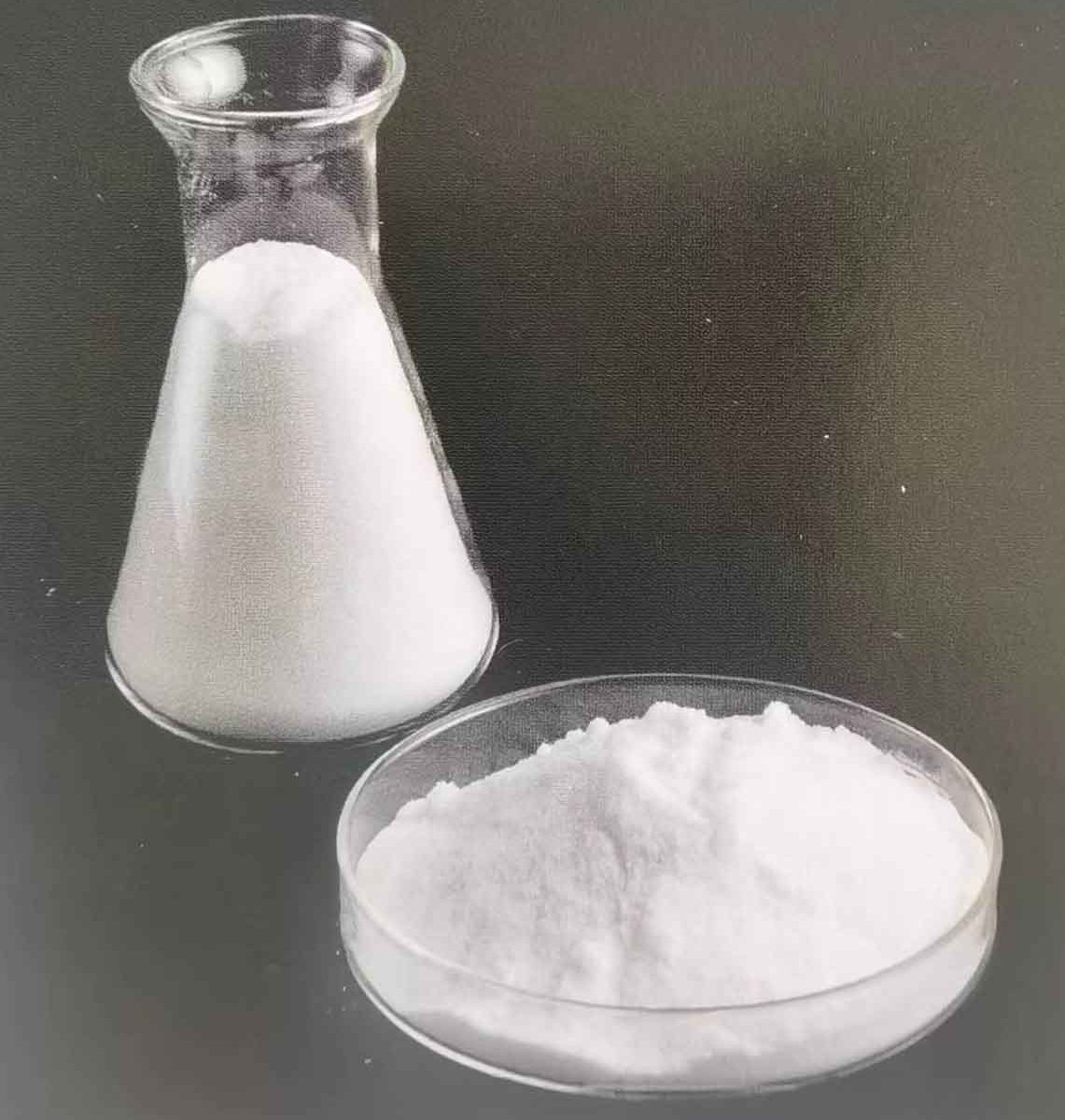
If you are looking for Sodium Hexametaphosphate Powder, Camp Shinning is your best Sodium Hexametaphosphate supplier.

Synonyms: Graham’s salt Tech Grade

CAS No.: 10124-56-8

Molecular Structure:  

Hazard Class: Non-dangerous goods

Typical properties

Appearance

White powder or Particle

Total phosphate(Counted with P2O5) Content, %:

≥68.00%

Non-active phosphate(Counted with P2O5) Content, %:

≤7.50

Water insolubilities Content, %:

≤0.06

Iron (Fe) Content %:

≤0.005

PH:

5.8-7.3

Application

Used as a sequeatering, dispersing, deflocculating agent, and as a coating agent to form a thin passivating film that protects metals from corrosion; 

Industrial water treatment;

SHMP can be used in continuously recycled industrial water as a softener;

SHMP is used in the textile industry for industrial cleanning and as dispersion in pigmenting and dyeing operations.

Sodium Hexametaphosphate Powder is also used in oil well drilling.

SHMP Supplier & Manufacturer : Camp-Shinning 


Sodium Hexametaphosphate Powder

Gelling Agent Organophilic Clay

Sodium Hexametaphosphate 

Numerous items have sodium hexametaphosphate as an essential component. 

This chemical is utilized in water purification, soap production, and detergent production. 

It is also utilized in metal finishing, pulp and paper manufacturing, agriculture, and water purification. 

Additionally, it is used to remove scale. 

This article provides information about sodium hexametaphosphate and its many applications.

Sodium Hexametaphosphate 

The sodium hexametaphosphates are hexamers with the formula (NaPO3)6. 

Although usually referred to by this nomenclature, sodium hexametaphosphate is actually a combination of polymeric 

metaphosphates. 

Typically, Sodium Hexametaphosphate is produced by melting monosodium orthophosphate and then fast chilling it. 

Sodium Hexametaphosphate   applications include food additives, water softeners, and detergents.

In addition to water softening, sodium hexametaphosphate is utilized in detergents and soaps. 

Sodium Hexametaphosphate   is also utilized as a scale remover in the food and agriculture industries. 

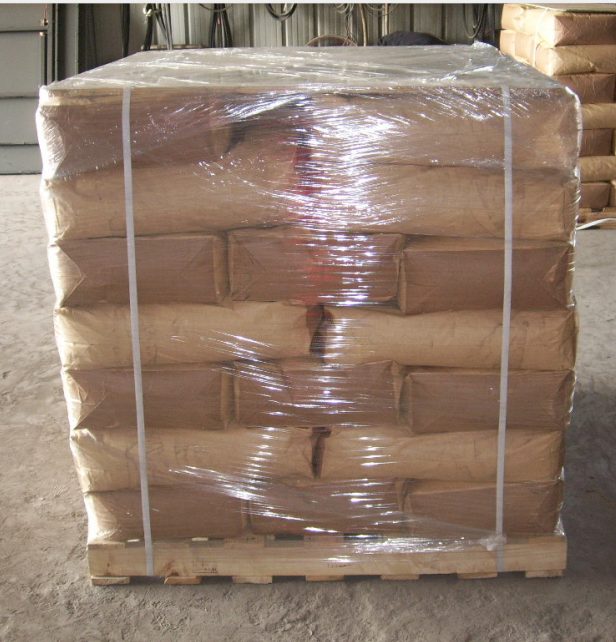
The many forms of sodium hexametaphosphate available for purchase include powder, liquid, and bulk containers. 

Sodium Hexametaphosphate   is often less concentrated than liquid, therefore it is ideal for lesser volumes.

The anion source sodium hexametaphosphate inhibits a range of mineral and metal ions in water. 

It can also be used in the green ware ceramic process as a deflocculant in ceramics. 

In addition, it is an effective anti-corrosion agent for drilling pipes and can reduce mud cover. 

Its chemical qualities make sodium hexametaphosphate a beneficial addition to a wide variety of products, including detergent additives, metal surface treatment, and rust inhibitors.

Sodium hexametaphosphatid is a dense, white, granular powder or crystal. 

Sodium Hexametaphosphate can form soluble chelates with other ions and has a high hygroscopicity. 

Its applications are many and quite versatile. 

Sodium Hexametaphosphate  is a frequently used preservative in industry. 

In addition to its numerous uses, sodium hexametaphosphate is present in children’s foods and beverages.

Uses of sodium hexametaphosphate

In industrial operations, sodium hexametaphosphatic acid is utilized as a detergent ingredient and a particle suspender. 

It is also used to prevent corrosion, as a flocculant, and as a pigment and dye ingredient. 

In water treatment systems, sodium hexametaphosphate is also utilized as a copper ion remover and sediment inhibitor. 

It is also employed as an anticorrosion agent and a sedative.

Clear, odorless, and colorless,

Sodium Hexametaphosphate   is used to soften water and as an emulsifier and sequestrant. 

Also utilized in toothpastes, detergents, and soap, it is a chemical. 

In addition, sodium hexametaphosphate is employed as a soil and water emulsifier in agriculture.

The acid sodium hexametaphosphate is a sodium polymer. 

It has a hexagonal structure and is used as an emulsifier and detergent. 

It also functions as a stabilizer, emulsifier, and texturizer. 

Additionally referred to as SHMP. 

In this manner, sodium hexametaphosphate is a flexible food and beverage addition.

The acid sodium hexametaphosphate has numerous applications. 

It has been utilized for centuries in agriculture as a soil dispersant and calcium-binding sequestrant. 

It functions as a nutrient supplement in food and water treatment and prevents gel precipitation. 

Additionally, it reduces acidic conditions by lowering the pH.

The chemical characteristics of sodium hexametaphosphate

The white, odorless powder sodium hexametaphosphate is used in food, water softening, and toothpastes. 

It has emulsifying and sequestering characteristics. 

There are various industrial applications for sodium hexametaphosphate, including detergents and soaps. 

Various minerals, clays, and pigments contain it.

Food and industrial/technical grade sodium hexametaphosphate are both available. 

It is frequently employed as a thickening, emulsifier, and sequestrant, as well as in certain chelation processes. 

Several of the physiological benefits of the substances utilized in food are given below. 

Commonly utilized in food and personal care items, sodium hexametaphosphate is neutral, nontoxic, vegan, and kosher.

Sodium hexametaphosphatae is a neutral phosphate capable of forming complexes with a wide variety of metal ions. 

Although its first usage in the food and beverage sector was to counteract the res-water issue, it has now been implemented in a variety of other industries. 

Additionally, it is utilized in the production of dyes, titanium dioxide, and color film duplication. 

However, sodium hexametaphosphate is most commonly used in the pharmaceutical industry.

Hexamer of the chemical compound NaPO3 is sodium hexametaphosphate. 

It has an infinite ionic charge and is challenging to dissolve in water or other liquids. 

Additionally, it conducts chemical interactions with bivalent metals and breaks down into orthophosphate. 

As a result, it is an excellent option for numerous products.

As a deflocculant, sodium hexametaphosphates are frequently utilized in the food and cosmetics industries. 

It is an emulsifier, texturizer, and inhibitor of scale formation. 

The chemical compound sodium hexametaphosphates is commonly used in toothpaste, glass, and ceramics. 

While the occasional usage of this substance is not dangerous, consuming it on a regular basis might cause a range of negative effects. 

Sodium hexametaphosphate is a chelating agent.

The industrial chemical sodium hexametaphosphate works as a buffer, emulsifier, and dispersant. 

It is utilized in the preparation of meats and dairy products as well as toothpaste. 

Additionally, it functions as a wetting agent for high-temperature adhesives. 

It is frequently added to dishes to improve their flavor and texture, and it has numerous applications.

It has multiple uses in food production and environmental preservation. 

As a sequestrant, it protects metals, particularly iron, from corrosion. 

In addition to its usage in water treatment, sodium hexametaphosphate is employed in the manufacture of titanium dioxide and colors. 

It is also employed in the manufacturing of titanium dioxide and the duplication of color films. 

This versatile chemical has a wide range of applications and is gaining popularity as a component in home goods.

Numerous food products include the white, granular ingredient sodium hexametaphosphatid. 

It is a water-soluble substance with similar qualities to sequestrants. 

It can be used as a thickener, emulsifier, and texturizer in food processing. 

It has a minimal toxicity profile and is widely accepted as safe.

Sodium hexametaphosphate is a chemical used for water treatment.

Sodium hexametaphosphate is a common water treatment chemical. 

Phosphorus is removed from water through binding to calcium, magnesium, and potassium ions. 

It is a potent water treatment chemical that has use in a variety of sectors. 

However, sodium hexametaphosphate has a propensity to leave deposits of calcium, magnesium, and potassium behind.

In order to improve the flavor and odor of drinking water, sodium hexametaphosphate is frequently added. 

While it is useful for drinking water, large quantities of sodium ions in wastewater treatment systems can cause corrosion of pipelines, changes in pH levels, and a number of other unwanted effects. 

In addition to being utilized in water softeners, the chemical is also utilized in a number of detergents.

Numerous sectors utilize Sodium Hexametaphosphate Powder, including the food industry. 

They can, for instance, enhance the water-binding characteristics of proteins in processed meats, reduce protein sedimentation in sterilized milk, and produce cheese. 

Moreover, the cheese sector is expanding significantly. 

Significant amounts of sodium hexametaphosphate are used in the production of cheese and dairy products.

In addition to reducing corrosion and eliminating scale, sodium hexametaphosphate acts as a general water cleanser by inhibiting the production of iron, manganese, and copper. 

In addition, Sodium Hexametaphosphate Powder sequesters iron, calcium, and manganese in drinking water systems. 

Additionally, it diminishes the solubility of lead in water.